

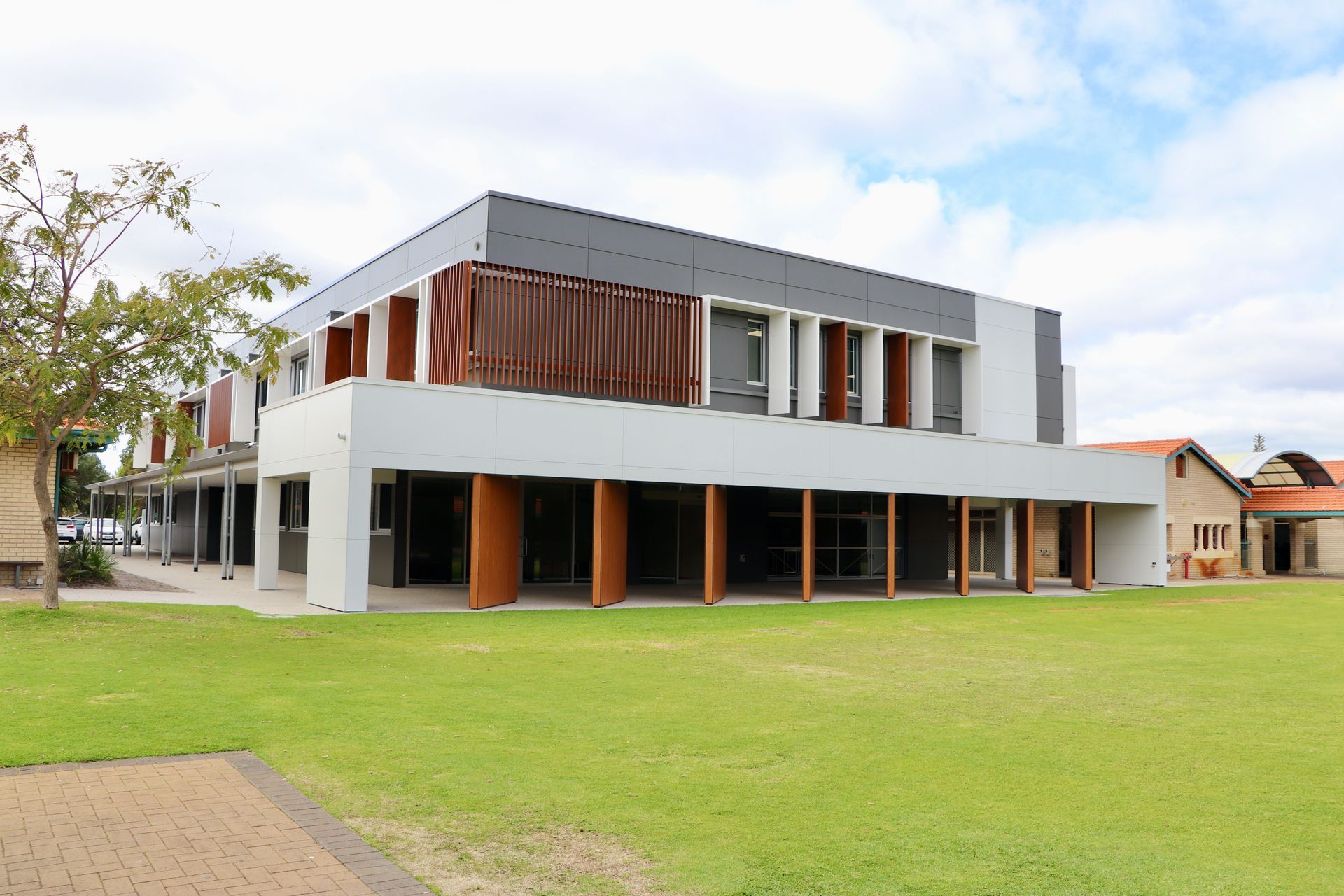
Mandurah Catholic College – set amongst 12 hectares of natural bushland in the coastal suburb of Mandurah in the Peel Region, south of Perth – has recently undergone a transformative change with the completion of its Stage 19 capital development plan.
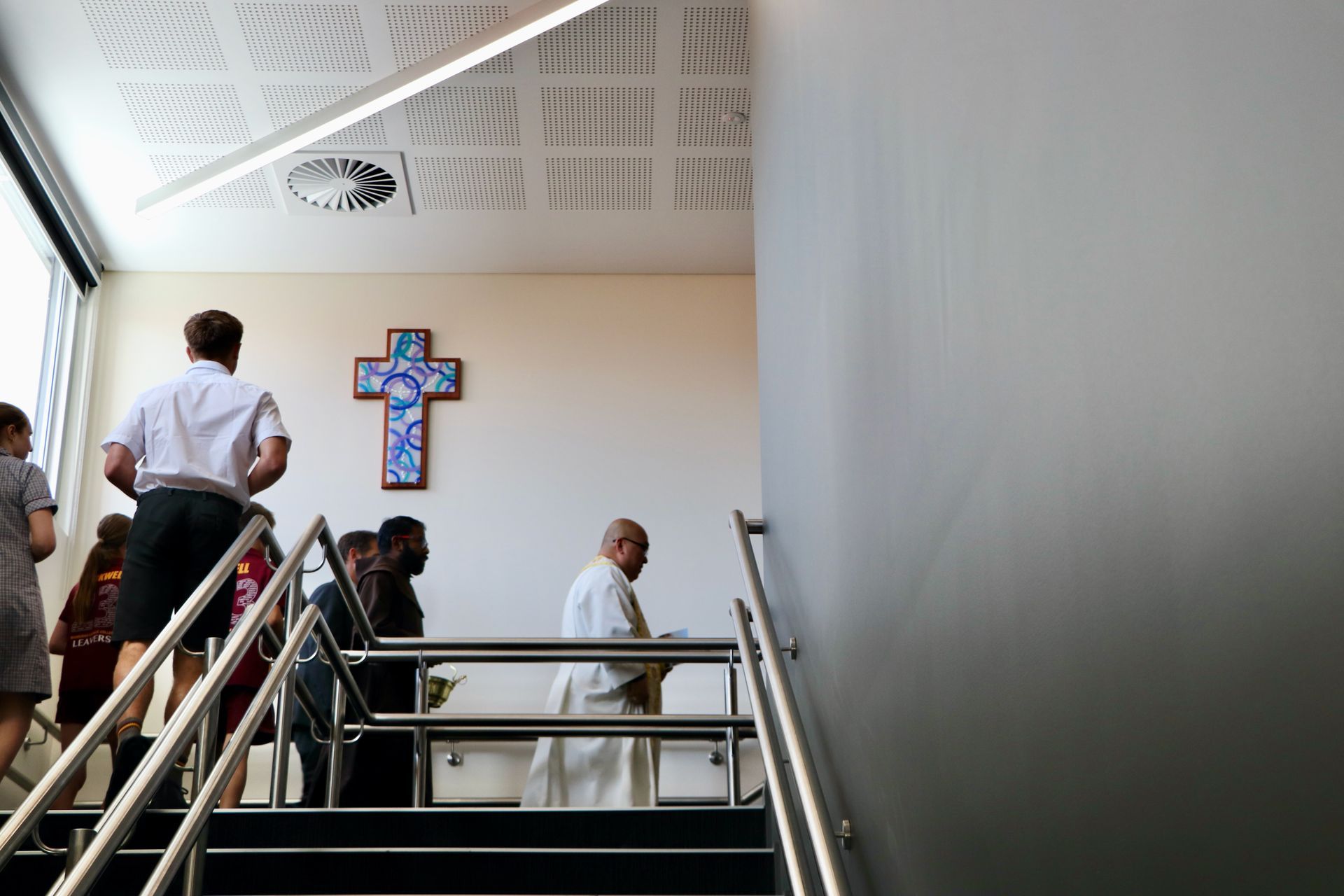
The opening of the new building marked a significant milestone in the College’s commitment to creating an environment where students can grow in their Catholic faith, and Christian values, while promoting the optimal development of each individual.
The positive impacts of the new facility extend far beyond the physical structure itself, influencing various aspects of academic life, student experience and community engagement. ‘The new build aligns with the college mission as it facilitates an increase in the opportunities that will be made available to the students and provides them with modern and engaging learning spaces,’ says the College Principal, Troy Francesconi.
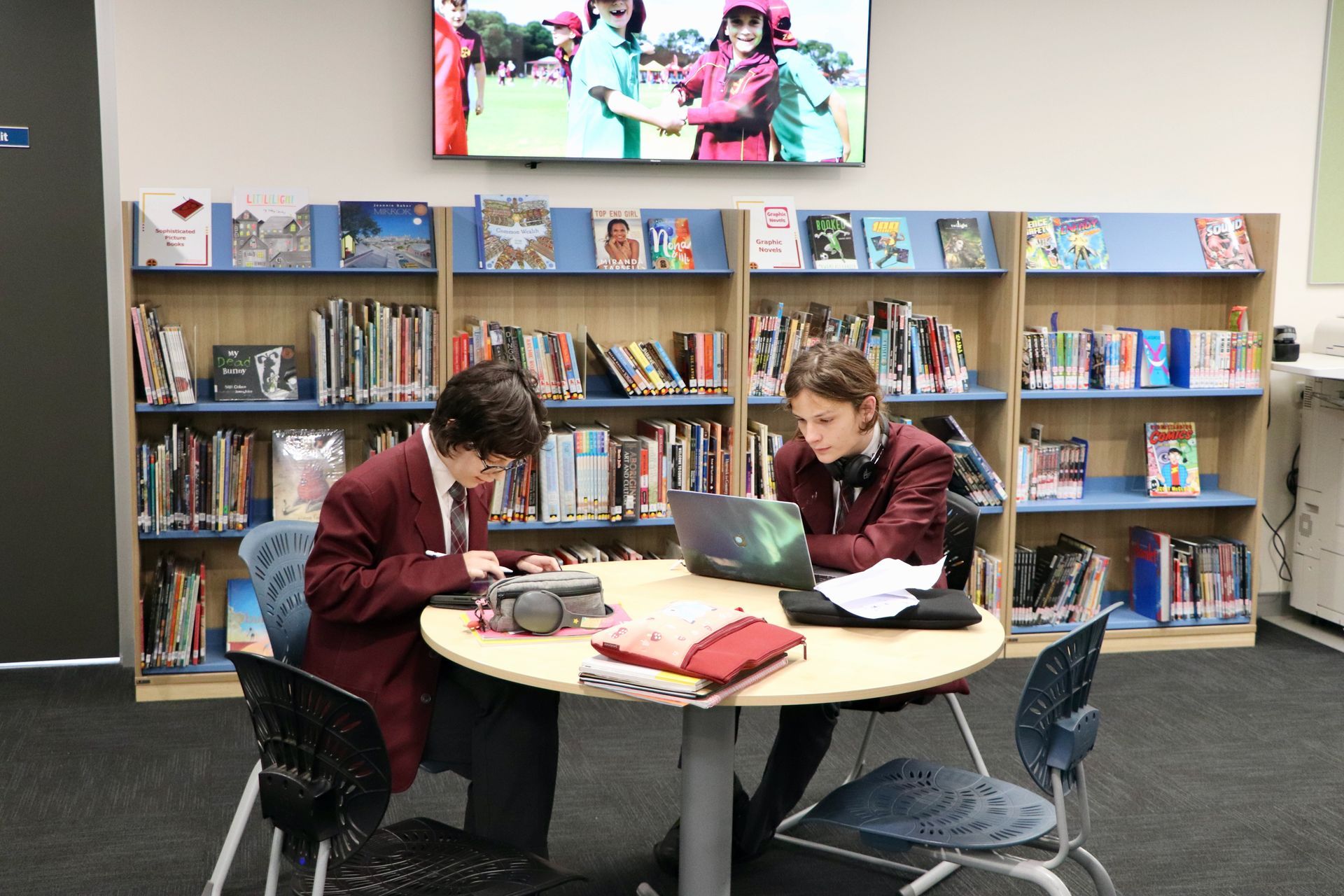
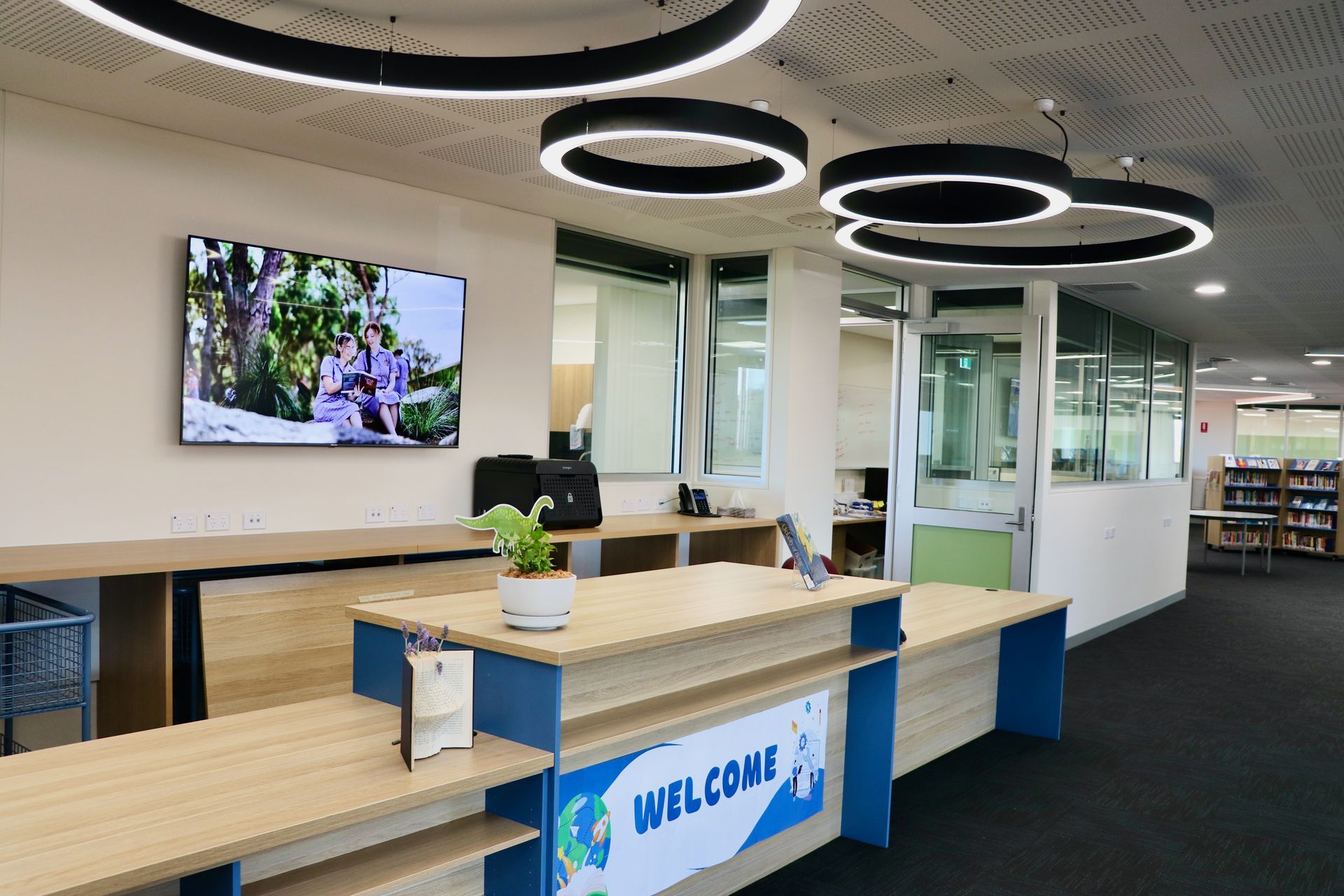
With over 1,700 students and 200 staff on campus, the new building features a commercial kitchen, café servery and cafeteria seating for students and staff, four general purpose classrooms, flexible study spaces and a modern Library which houses Information Learning Technology (ILT) services.
‘Our students and staff are excited to use the new space – it will not only serve as a place to learn but it also has the capacity to host functions. The industrial kitchen is state-of-the-art and will play a big part in bringing together the College community, while also providing opportunities for student training and on-site learning,’ says Mr Francesconi.
Following the College’s 30-year anniversary last year (2022), plans for growth continue beyond the Stage 19 completion. Next year, the College will make way for a retrofit of the old library building with the addition of two classrooms for primary students. There will also be a secondary student services hub, which will house the leadership and wellbeing teams, alongside a new student health services hub and staffroom.
As the school continues to evolve, the new building will play a central role in shaping the future success of Mandurah Catholic College, its students and the coastal community. ‘The loan from CDF provided the resources required to complete a quality build. We would not have been able to complete the build without CDF and look forward to working in partnership to fulfil our future capital development plans,’ says Mr Francesconi.
[The building] will play a big part in bringing together the College community, while also providing opportunities for student training and on-site learning,’ says Mr Francesconi.
City skyline
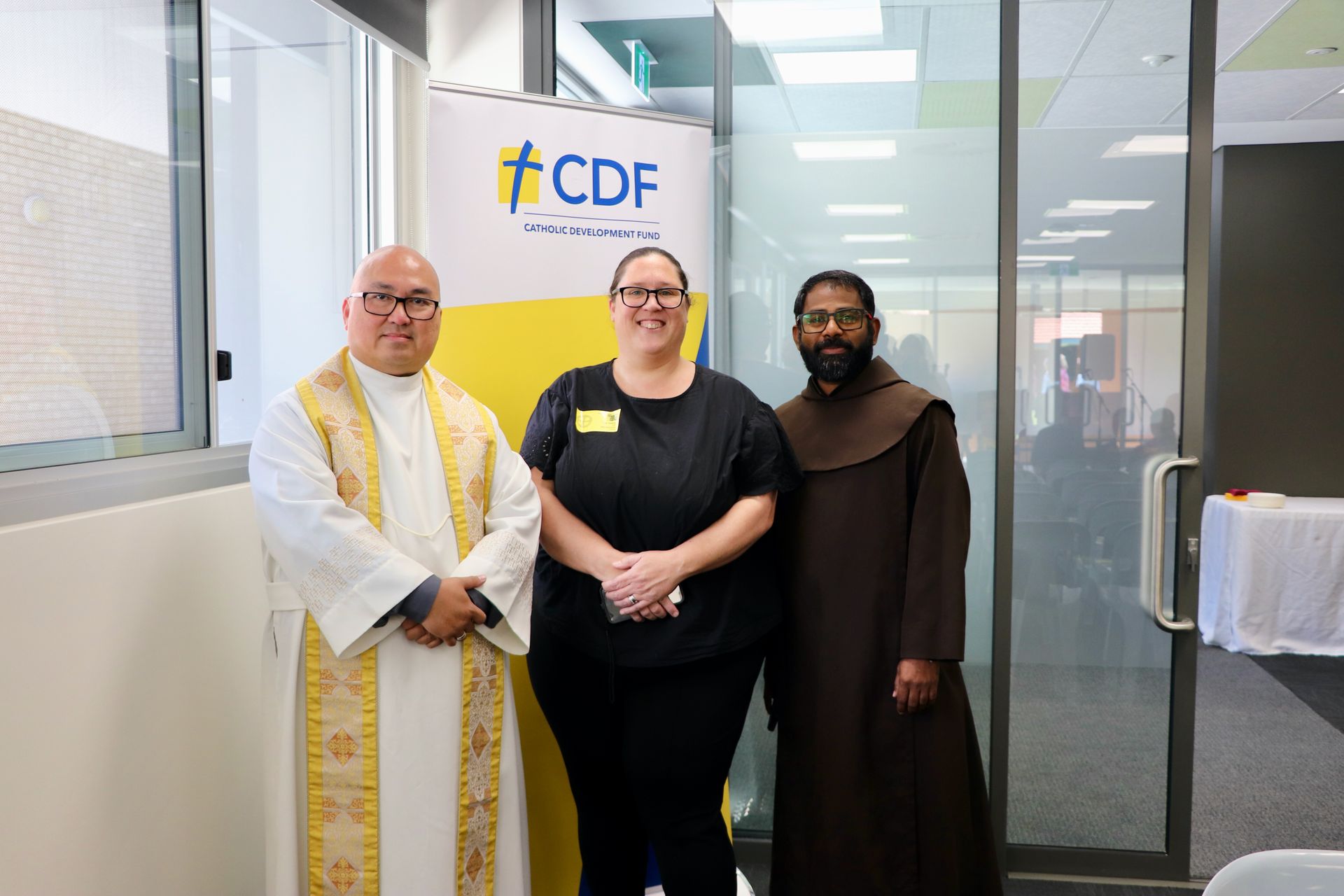
Fr Pierangelo Repuyan (Dean of Bunbury) and Fr Anson Antony with CDF Relationship Manager Ella Valois.

Birthday Sparks
Students at the blessing and opening of the Stage 19 College development.
Fashion Magazine
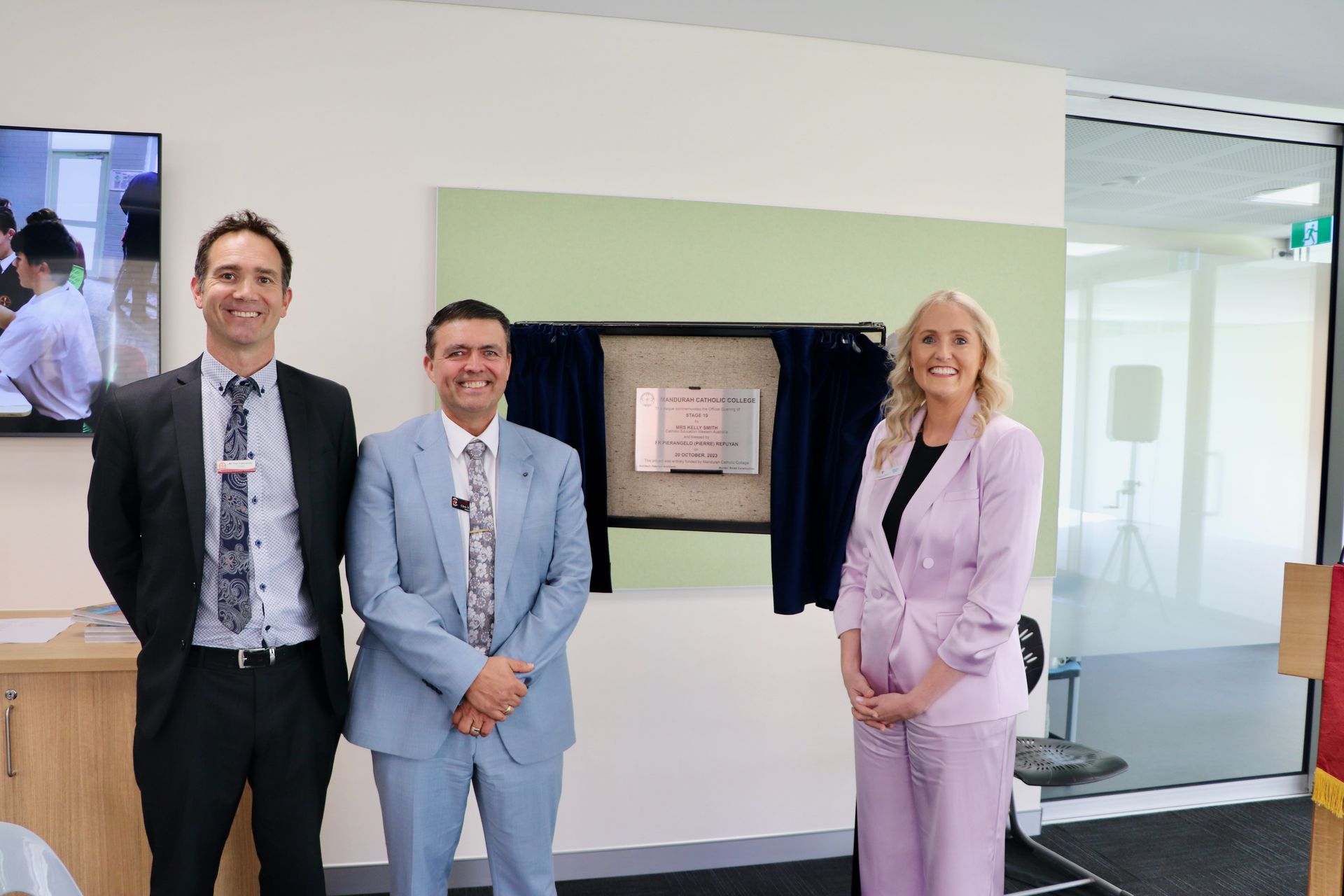
Unveiling of the new plaque with Kelly Smith (Catholic Education WA) and Troy Francesconi (Mandurah College Principal).
To help CDF continue to meet strong loan demand from the Catholic community, you too can put your faith in action and save for a greater reward than money alone. Not only will you earn a competitive rate of interest, but your savings will assist school’s like Mandurah Catholic College and other Catholic organisations to continue the work the Gospel calls on them to do.
Learn more and apply today.
Share this article:
Related articles


CDPF Limited, a company established by the Australian Catholic Bishops Conference, has indemnified the Catholic Development Fund ABN 15 274 943 760 (the Fund) against any liability arising out of a claim by investors in the Fund. In practice, this means your investment is backed by the assets of the Catholic Archdiocese of Melbourne. The Fund is required by law to make the following disclosure. Investment in the Fund is only intended to attract investors whose primary purpose for making their investment is to support the charitable purposes of the Fund. Investors’ funds will be used to generate a return to the Fund that will be applied to further the charitable works of the Archdiocese of Melbourne and the Dioceses of Sale and Bunbury. The Fund is not prudentially supervised by the Australian Prudential Regulation Authority nor has it been examined or approved by the Australian Securities and Investments Commission (ASIC). An investor in the Fund will not receive the benefit of the financial claims scheme or the depositor protection provisions in the Banking Act 1959 (Cth). The investments that the Fund offers are not subject to the usual protections for investors under the Corporations Act (Cth) or regulation by ASIC. Investors may be unable to get some or all of their money back when the investor expects or at all and investments in the Fund are not comparable to investments with banks, finance companies or fund managers. The Fund’s identification statement may be viewed here or by contacting the Fund. The Fund does not hold an Australian Financial Services Licence.