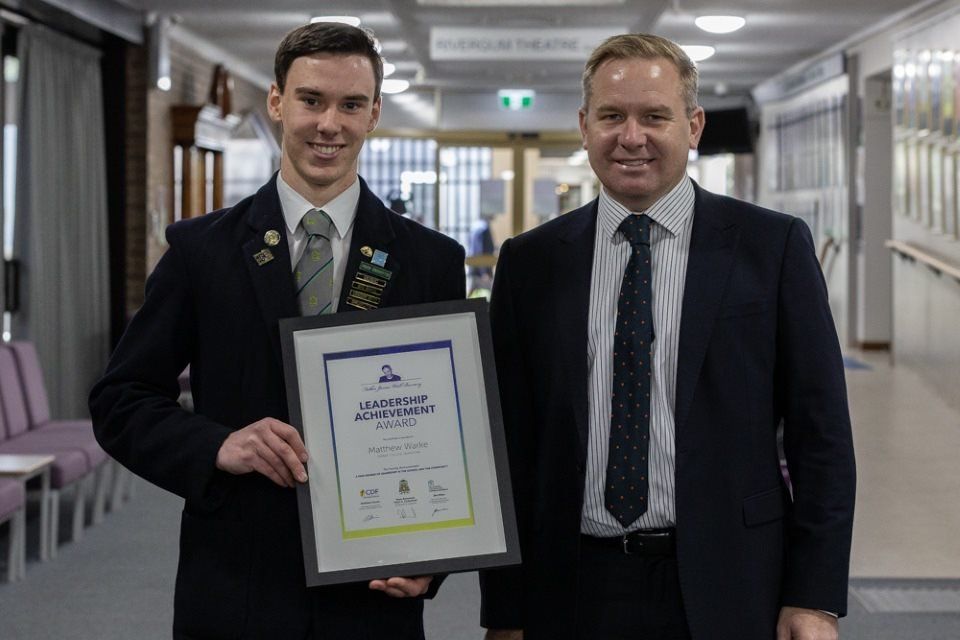

Fr Wall Bursary Applications for 2022 are closing soon
October 13, 2022

The annual Father James Wall Bursary provides six leadership achievement awards of $4,000, to Year 10 Catholic secondary school students who demonstrate leadership potential across a range of areas. These include science, arts, public speaking, sporting activities, community service and social justice activities.


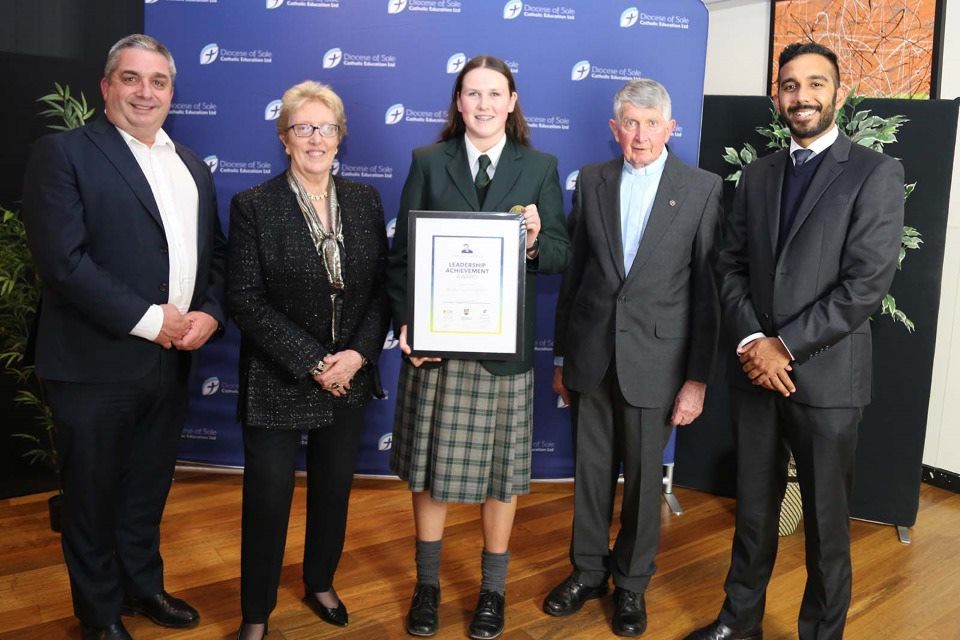
The bursary, sponsored by Catholic Development Fund, assists with school fees and other expenses incurred during the student’s Year 11 and 12 studies. The 2021 recipients were nominated by their respective schools at the end of 2021 and once determined, were recognised in several presentation and award ceremonies held over the course of this year.


CDF staff assisted in the presentations and personally congratulated each of the students in front of peers, teaching staff and proud families. In 2021, four bursaries were awarded to students from the Melbourne Archdiocese, one from the Diocese of Sale and one from the Diocese of Bunbury.

Applications for the 2022 CDF Fr Wall Bursary will be closing on 31 October 2022. For more information, and to apply, visit: https://catholicdevelopmentfund.org.au/fr-james-wall-bursary/
  • Brydie C.

    Brydie C.

    Marist-Sion, Warragul

    Archdiocese of Sale

    Button
  • Slide title

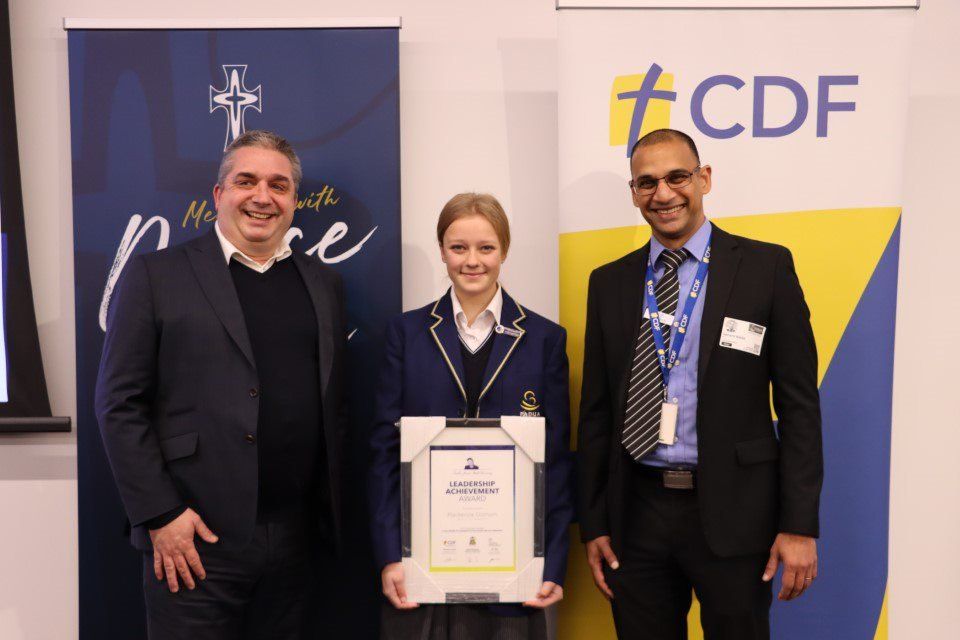
    Mackenzie D.

    Padua College, Mornington

    Archdiocese of Melbourne

    Button
  • Slide title

    Jaegar F.

    St Joseph’s College, Newtown

    Archdiocese of Melbourne

    Button
  • Slide title

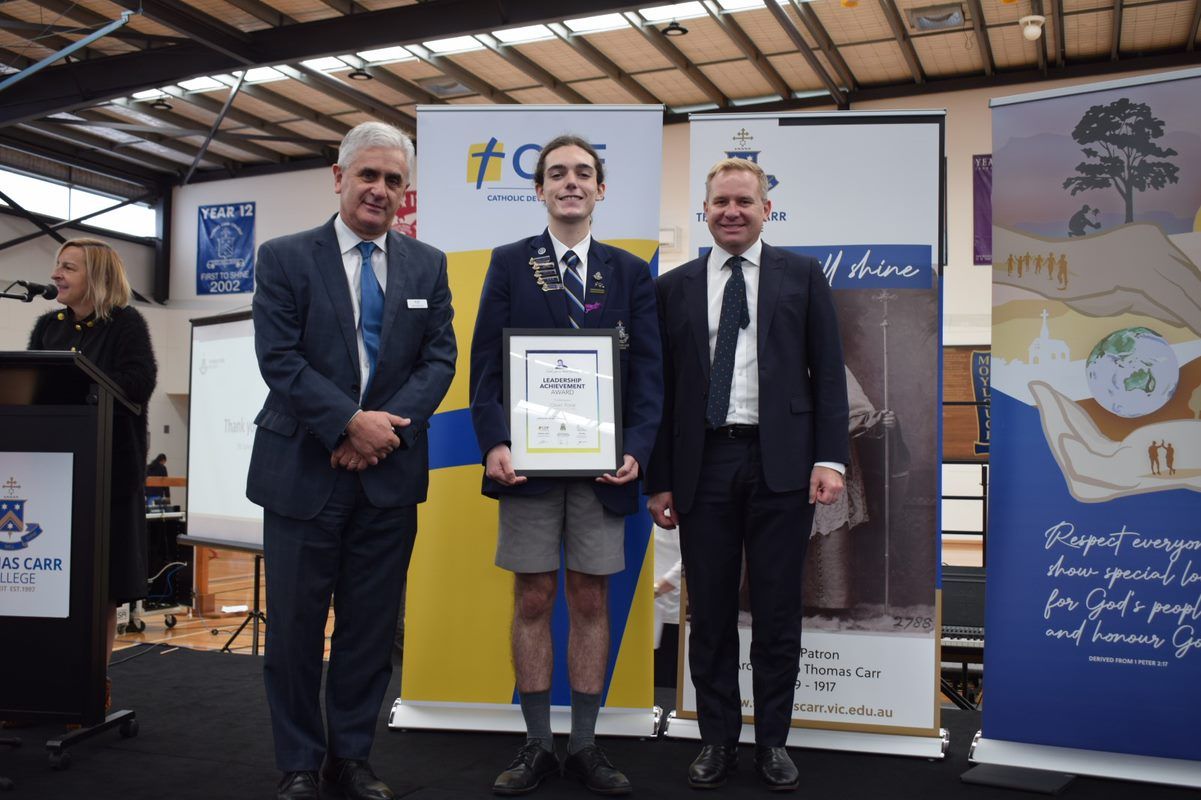
    Oliver P.

    Thomas Carr College, Tarneit

    Archdiocese of Melbourne

    Button
  • Slide title

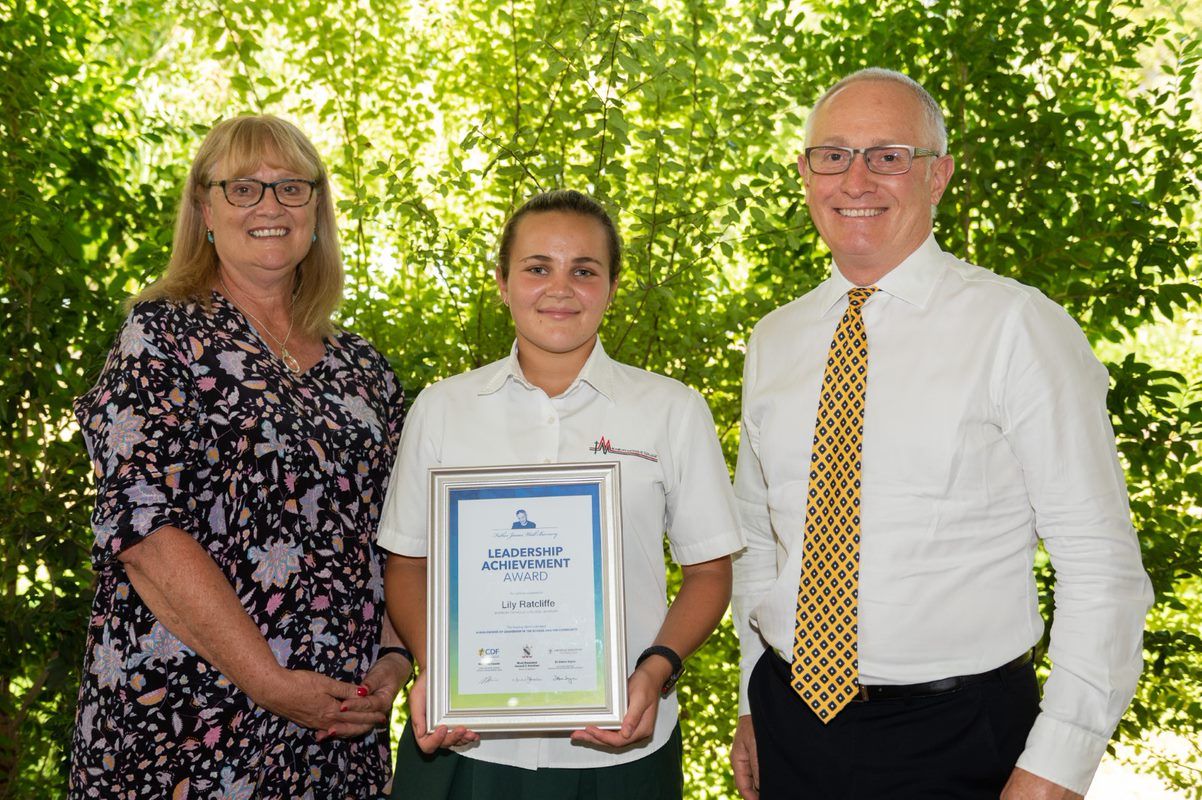
    Lily R.

    Bunbury Catholic College,

    Archdiocese of Bunbury

    Button
  • Slide title

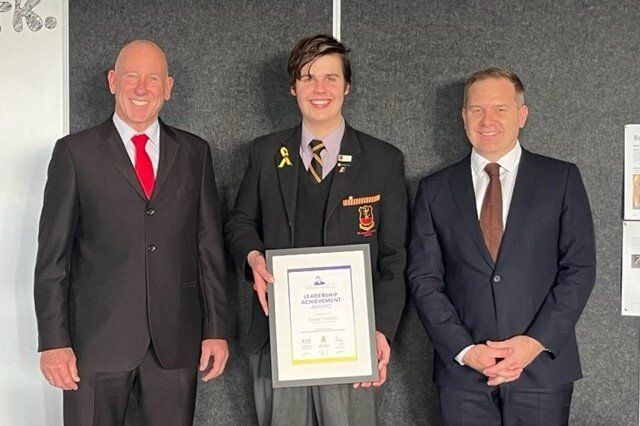
    Matthew W.

    Parade College, Bundoora

    Archdiocese of Melbourne

    Button

Share this article:

Related articles

September 9, 2026
On 27 July 2026, the small coastal town of Triabunna became the site of a significant milestone for Tasmania, with the official opening of the state's first completed Housing Australia Future Fund (HAFF) project , delivering 36 new social and affordable homes to a community where housing need is real and growing. For CDF, it is a moment that reflects what partnership can achieve when organisations come together around a shared commitment to serving others. A partnership built on shared purpose
September 4, 2026
At the heart of Avila College’s Mount Waverley campus, a new learning space is taking shape - one that carries six decades of educational tradition into an exciting new chapter. The St Teresa Library was formally blessed and opened in July, marking the completion of the final stage of the College’s current master plan and creating a contemporary new hub designed to support learning, connection and opportunity for generations of Avila students. Supported by a $9 million CDF loan, the project represents a significant investment in the future of this Melbourne Archdiocese Catholic Schools (MACS) secondary school for girls, which educates almost 1,100 students from Years 7 to 12. A Future Focused Heart for the College
August 25, 2026
Australians reported 481,523 scams in 2025 , with 274,577 reports involving financial losses totalling $2.18 billion . Behind those numbers are scams that are becoming increasingly difficult to spot. For organisations, one of the most convincing can begin with something as routine as an invoice. Invoice fraud is becoming increasingly sophisticated. The email may come from a supplier you know. The invoice may look exactly like previous ones. The amount is correct, the project is familiar, and the message may even sit inside a genuine email thread. The only thing that's changed is the bank account. That one change can redirect thousands of dollars into a cyber criminal's hands. How it happens Invoice fraud, also known as payment redirection fraud, is a common form of Business Email Compromise (BEC). Criminals gain access to a real email account - through phishing, stolen credentials, malware or a data breach - then quietly monitor it. They learn who approves payments, how invoicing cycles work, and wait for the right moment to intercept a genuine transaction and simply change the bank details. Because nothing else changes, it's very hard to spot. Example of What a Scam Looks Like
More

CDPF Limited, a company established by the Australian Catholic Bishops Conference, has indemnified the Catholic Development Fund ABN 15 274 943 760 (the Fund) against any liability arising out of a claim by investors in the Fund. In practice, this means your investment is backed by the assets of the Catholic Archdiocese of Melbourne. The Fund is required by law to make the following disclosure. Investment in the Fund is only intended to attract investors whose primary purpose for making their investment is to support the charitable purposes of the Fund. Investors’ funds will be used to generate a return to the Fund that will be applied to further the charitable works of the Archdiocese of Melbourne and the Dioceses of Sale and Bunbury. The Fund is not prudentially supervised by the Australian Prudential Regulation Authority nor has it been examined or approved by the Australian Securities and Investments Commission (ASIC). An investor in the Fund will not receive the benefit of the financial claims scheme or the depositor protection provisions in the Banking Act 1959 (Cth). The investments that the Fund offers are not subject to the usual protections for investors under the Corporations Act (Cth) or regulation by ASIC. Investors may be unable to get some or all of their money back when the investor expects or at all and investments in the Fund are not comparable to investments with banks, finance companies or fund managers. The Fund’s identification statement may be viewed here or by contacting the Fund. The Fund does not hold an Australian Financial Services Licence.