

Some of the most valuable lessons children learn start with simple choices.
The habits and values children develop while they're young can shape the way they make decisions as they grow. Learning how to manage and save money is one example.
While saving is about money, the lessons behind it can be much bigger: patience, responsibility, planning and learning to wait for something worthwhile.
These lessons can take shape through everyday choices and grow with a child over time.
Photo: Mary Mackillop Primary School, Bannockburn
Start Small, With Something to Work Towards
For a child, a savings goal might be something simple: a new toy, a book, or a special outing. The value of the item matters less than the experience of choosing a goal, making decisions along the way and eventually reaching it.
Giving children some money to manage can create opportunities to practise small decisions for themselves: spend now or save for later?
Both MoneySmart and Raising Children Network point to pocket money and meaningful savings goals as practical ways for children to start managing money and taking responsibility for their choices.
Having money to manage is only part of the lesson, though. Just like adults, children may find saving easier when there's a clear purpose behind it.
Instead of simply encouraging them to "save your money", help them decide what they're saving for and why it matters to them.
- For example, rather than:"You should save some of your pocket money."
- Try:"What would you really like to save for?"
Once they have something in mind, break the goal into smaller milestones. A $50 goal might then become: $10 saved, halfway there, $40 saved, goal reached.
The goal may be small, but the habits behind it - patience, planning and making thoughtful choices - can grow with them.
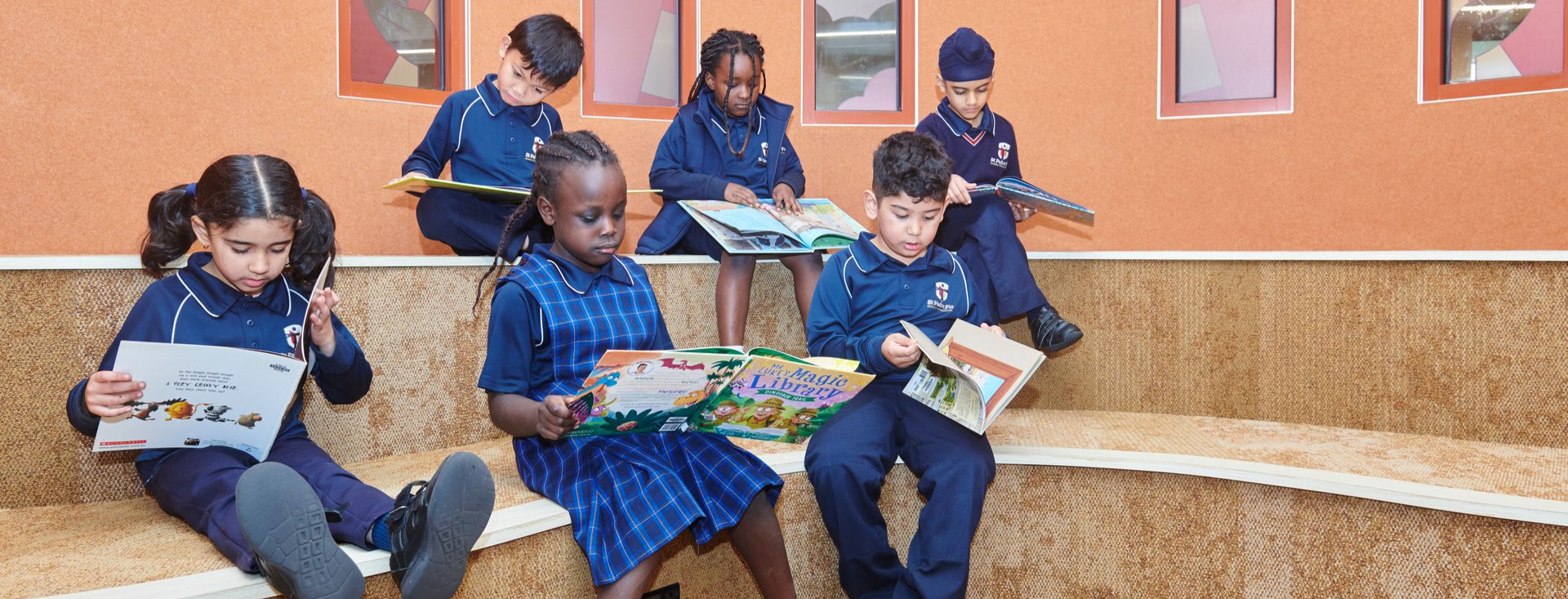
Photo : St Padre Pio Catholic Primary School, Thornhill Park
Make Progress Visible
For younger children in particular, money can feel quite abstract. They increasingly see adults tapping a card, phone or watch to pay, without necessarily seeing money physically change hands.
Research by Alshanti suggests that as physical money becomes less visible in daily life, saving can become less tangible for children. Visual tools can help turn an abstract idea into something they can follow and understand.
- A clear savings jar:
Children can physically see their coins and notes accumulating.
- A colouring chart: Divide their goal into stages and let them colour another section every time they save.
- Milestone stickers: Create markers such as "$10 saved", "halfway there" and "goal reached".
What matters is helping children see that small contributions gradually add up.

Photo credit: Kris Len Lu
Quick Tip:
As children get older,
Moneysmart suggests that a savings account can be a practical way to introduce other concepts, including banking and earning interest.
Recognise the Habits, Not Just the Result
Reaching the final goal is exciting, but how a child gets there can be just as valuable as the amount they save.
Notice the choices along the way: putting something aside regularly, resisting an impulse purchase, or keeping their savings goal in mind when they're tempted to spend.
Rather than focusing only on the dollar value, acknowledge the behaviour, for example:"You've been very patient working towards something you really want."
Recognising these choices can help shift the focus from "How much money have I saved?" to "What habits am I learning?"
Children Learn by Watching Us
Not every lesson about money needs to happen through a formal conversation. Children are already learning from what they observe around them; comparing prices at the supermarket, hearing conversations about saving for a family holiday, seeing parents plan for larger expenses, and noticing when their family chooses to give generously.
These can open the door to talking about where money comes from, the difference between needs and wants, and why families make certain financial choices.
Research by Fletcher and Wright found that children whose parents discuss how they spend money with them tend to show higher levels of financial understanding. The study also suggests these conversations can help children become more receptive to formal financial education later in life.
The conversation doesn't need to be complicated. It might simply mean explaining why you're comparing two prices, why you're putting money aside for later, or why your family has chosen to give to a cause important to you. Often, simply making money a topic children feel comfortable asking about can be a useful starting point.

Photo credit: Seljan Salim
Did You Know?
For many Australian families, these conversations have already begun.
Finder’s 2026 Parenting Report found two-thirds of parents surveyed had spoken with their children about saving or investing.
Spend, Save and Give This Christmas
Christmas can be a natural time to help children think about the different purposes money can have. If they receive pocket money, Christmas money or a little extra from family, it can be an opportunity to talk about three simple choices: spend, save and give.
They might choose to:
- Spend: something they would like to enjoy now.
- Save: something meaningful they would like to work towards.
- Give: someone else or a cause they care about.
How much goes towards each can look different for every family. What matters is helping children think about why they're making each choice.
For Catholic families, this can also connect daily decisions about money with generosity and stewardship. A child might choose to contribute to a parish Christmas appeal, support a cause they care about, or set something aside to help someone in need.
Even a small amount can introduce a significant lesson: money can have a purpose beyond ourselves.
Over time, this approach can help children learn that managing money isn't only about deciding between spending now and saving for later. It can also mean making room for others.
And at Christmas, that may be one of the most meaningful money lessons we can share.

Photo: Assumption Catholic Primary School, Meadow Springs
When Savings Can Do More
The idea that our money can serve more than one purpose doesn't have to end in childhood.
Saving can help us work towards our own goals and financial wellbeing. But where we choose to save can also give us the opportunity to consider what our money helps make possible for others.
At CDF, the funds entrusted to us help fund Catholic schools, parishes, healthcare, aged care and community organisations.
Your savings can therefore work towards your own goals while also supporting the Catholic community.
It's a practical way our everyday financial choices can reflect the values we teach our children: to save with purpose, use what we have responsibly and contribute to the common good.
Consider saving with purpose
A CDF Community Fund account gives you the opportunity to save with purpose while supporting Catholic organisations and communities.
Learn more about an account with CDF Community Fund and see how your savings can help communities build, serve, and grow.
Disclaimer: This article provides general information only and does not constitute financial advice. Consider your personal circumstances and seek professional advice where appropriate. Information in this article draws on publicly available financial education resources, including ASIC's MoneySmart, Raising Children Network, research by Alshanti and Fletcher and Wright, and Finder’s 2026 Parenting Report.
Share this article:
Related articles


CDPF Limited, a company established by the Australian Catholic Bishops Conference, has indemnified the Catholic Development Fund ABN 15 274 943 760 (the Fund) against any liability arising out of a claim by investors in the Fund. In practice, this means your investment is backed by the assets of the Catholic Archdiocese of Melbourne. The Fund is required by law to make the following disclosure. Investment in the Fund is only intended to attract investors whose primary purpose for making their investment is to support the charitable purposes of the Fund. Investors’ funds will be used to generate a return to the Fund that will be applied to further the charitable works of the Archdiocese of Melbourne and the Dioceses of Sale and Bunbury. The Fund is not prudentially supervised by the Australian Prudential Regulation Authority nor has it been examined or approved by the Australian Securities and Investments Commission (ASIC). An investor in the Fund will not receive the benefit of the financial claims scheme or the depositor protection provisions in the Banking Act 1959 (Cth). The investments that the Fund offers are not subject to the usual protections for investors under the Corporations Act (Cth) or regulation by ASIC. Investors may be unable to get some or all of their money back when the investor expects or at all and investments in the Fund are not comparable to investments with banks, finance companies or fund managers. The Fund’s identification statement may be viewed here or by contacting the Fund. The Fund does not hold an Australian Financial Services Licence.