

Amidst the vibrant discussions at the 2024
Catholic Social Services Australia National Conference, one overarching theme emerged: the importance of collaboration and social justice within today’s societal framework. Against the backdrop of 'commons, commonality, common good’, over 230 delegates from diverse sectors and faith-based backgrounds across Australia came together to explore innovative ways and approaches to addressing pressing challenges and ways to foster sustainable development into the future.
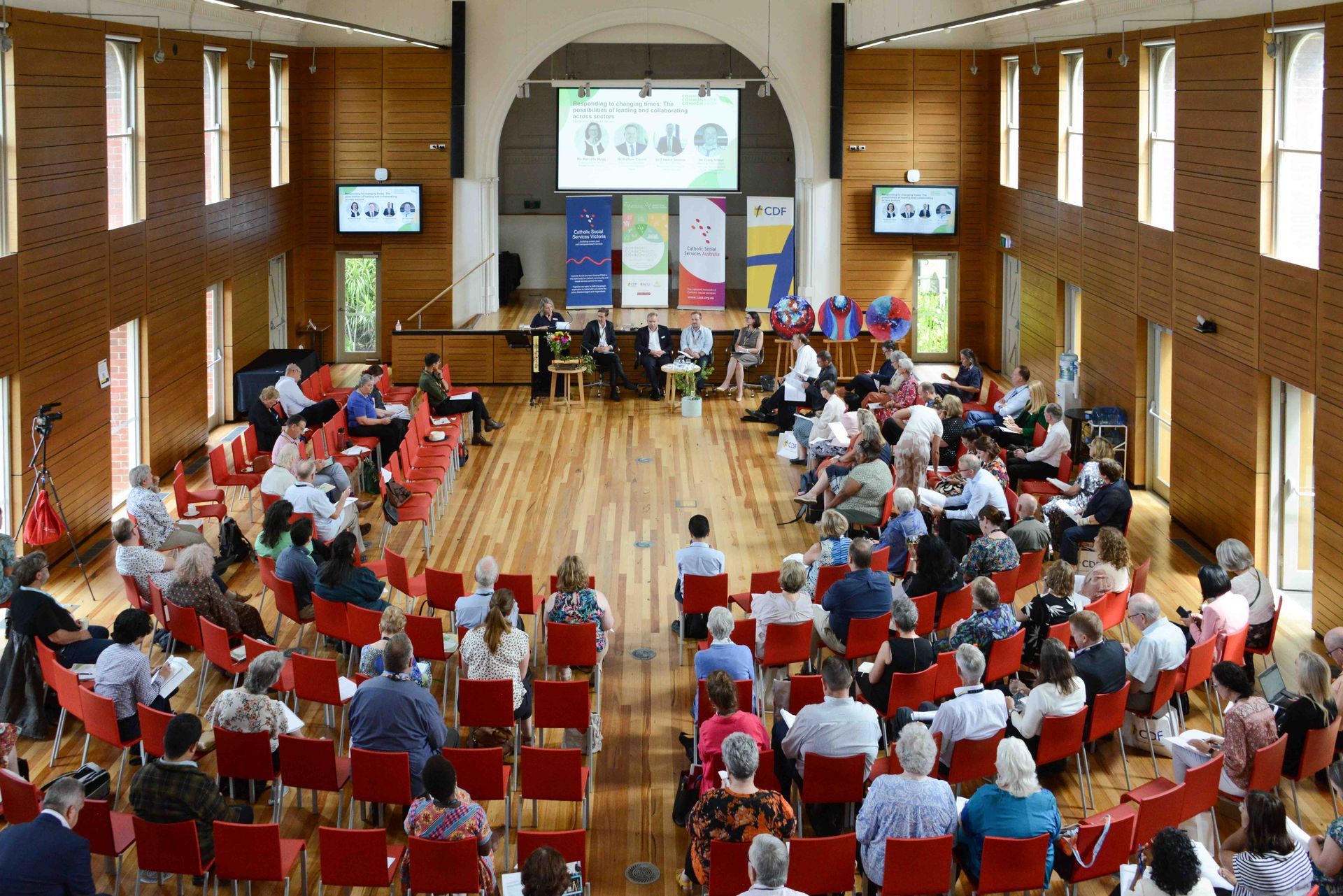
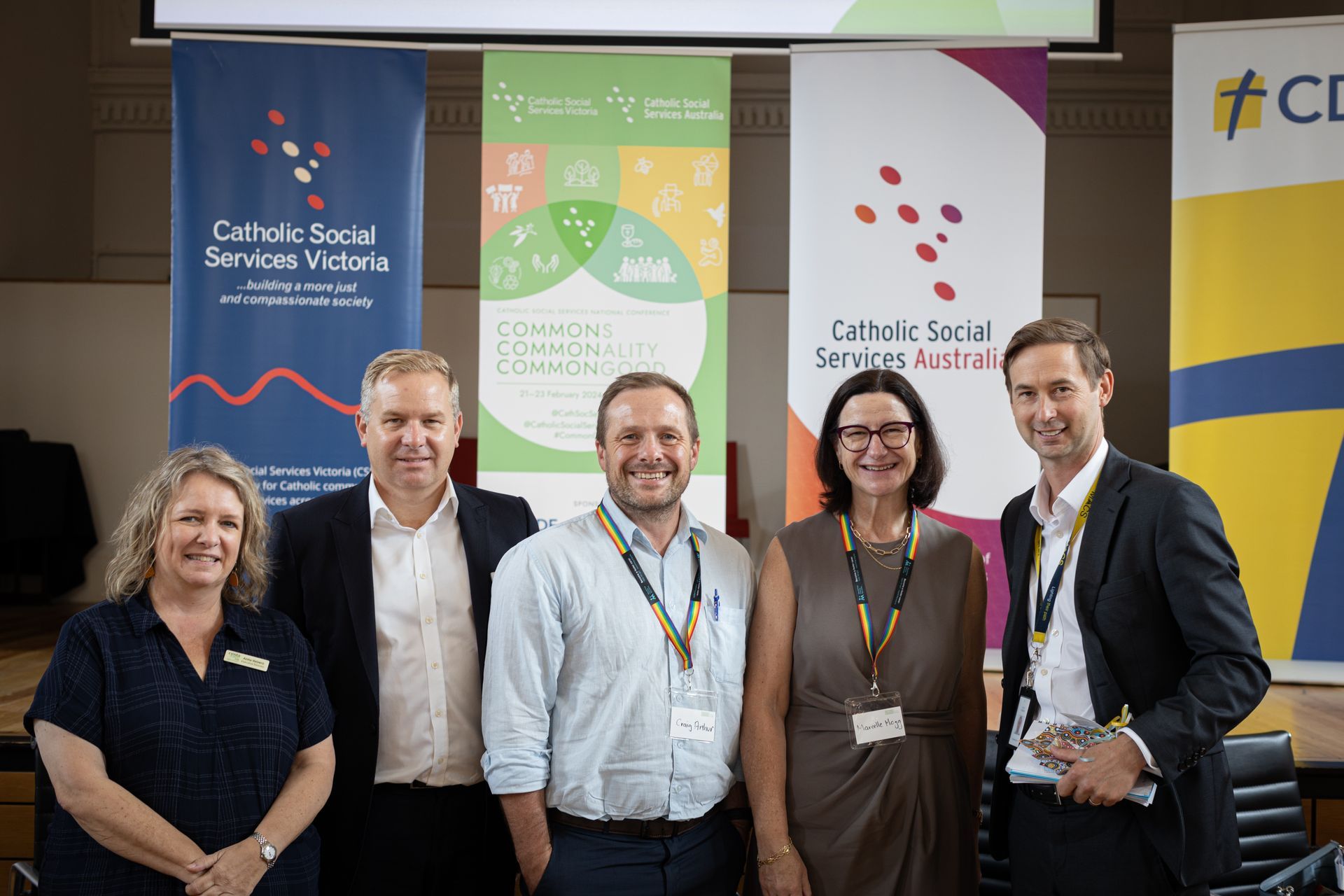
As a conference partner and presenter, Catholic Development Fund (CDF) was a proud contributor to the conversation. CDF CEO, Matthew Cassin, participated in the panel discussion ‘Responding to changing times: the possibilities of leading and collaborating’. The panel, which included representatives from Mental Health Vic (Marcel Mogg), NATSIC (Craig Arthur), and Melbourne Archdiocese Catholic Schools (Dr Edward Simons) and CatholicCare Cairns (Anita Veivers) facilitating the discussion, the panel commented on the challenges and opportunities in collaborating for the common good. Matthew highlighted CDF's mission and purpose, which focuses on funding from within to meet societal needs. The discussion also highlighted why CDF is willing and able to fund initiatives that other financial institutions may overlook, emphasising the Fund’s commitment to Catholic Social Teaching and the common good.
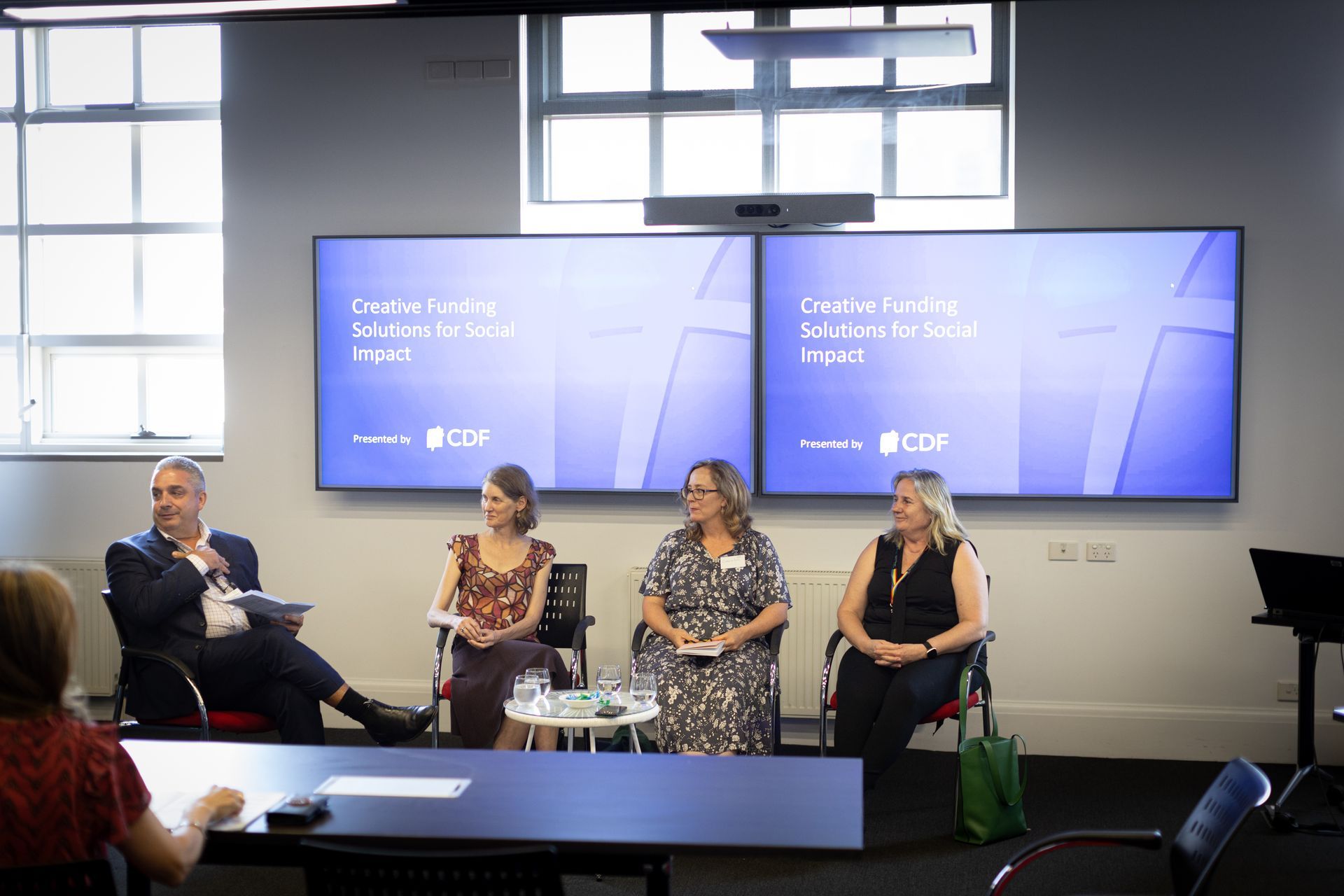
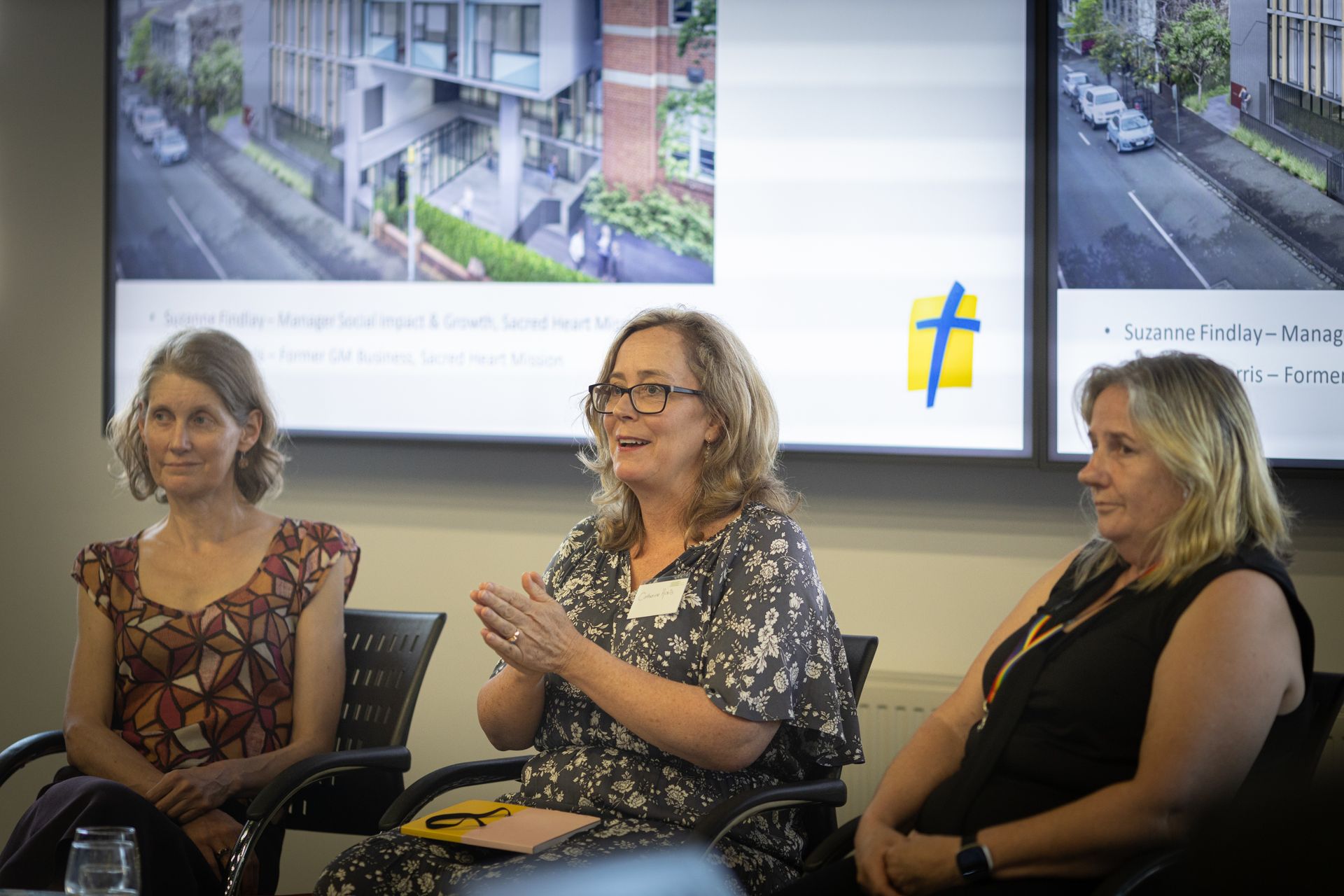
Amidst many conversations and presentations part of the conference program, including that of Prof Mark Considine, CDF also hosted a workshop titled ‘Big Communities of Peace, Respect, and Equality - Creative Funding Solutions for Social Impact’. Facilitated by Brendan Hoy (CDF General Manager Client Services) and featuring speakers from Sacred Heart Mission, Suzanne Findlay and previous employee Catherine Harris, along with CEO of CatholicCare Victoria Housing Fiona Williams, the workshop unpacked innovative funding approaches for developments promoting social equality. Attendees gained insights into successful funding strategies and challenges, including Sacred Heart Mission’s Journey to Social Inclusion, contributing to a broader discussion on sustainable social development trends and future strategies.
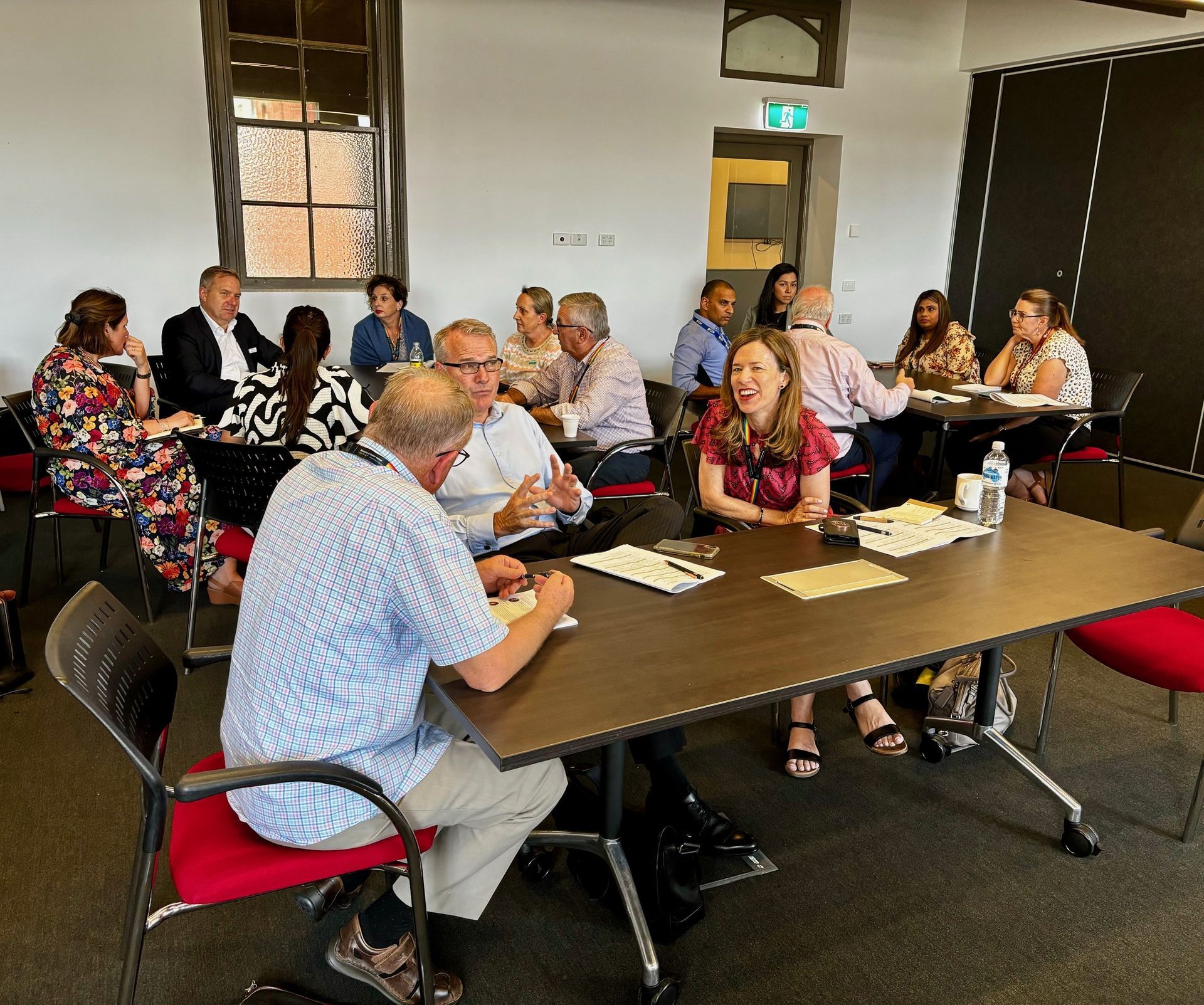
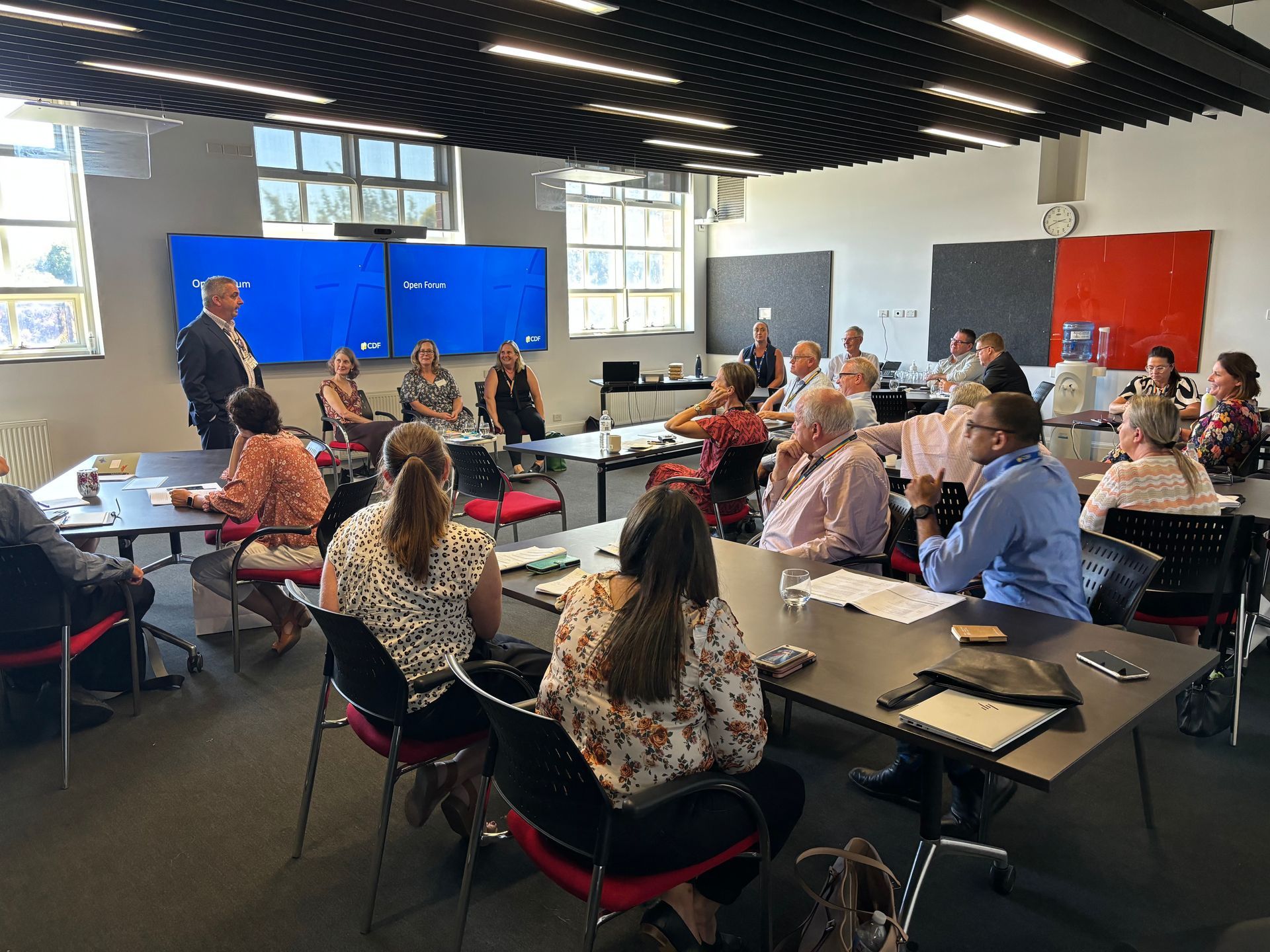
The national event offered an important platform to showcase service and practical models, while critically reflecting on the impact and broader social context from which many Catholic social services along with other faith-based and non-for-profit organisations operate together.
As delivered by keynote speaker Bishop Vincent Long Van Ngyuen, the conference clearly highlighted the need for solidarity in the face of growing individualism. A continued and aligned collaborative approach along with a shift towards prioritising the common good and dignity for all will help further a society where each and every person can lead fulfilling lives.
For more information about the conference, including links to notes and resources, visit:
Share this article:
Related articles



CDPF Limited, a company established by the Australian Catholic Bishops Conference, has indemnified the Catholic Development Fund ABN 15 274 943 760 (the Fund) against any liability arising out of a claim by investors in the Fund. In practice, this means your investment is backed by the assets of the Catholic Archdiocese of Melbourne. The Fund is required by law to make the following disclosure. Investment in the Fund is only intended to attract investors whose primary purpose for making their investment is to support the charitable purposes of the Fund. Investors’ funds will be used to generate a return to the Fund that will be applied to further the charitable works of the Archdiocese of Melbourne and the Dioceses of Sale and Bunbury. The Fund is not prudentially supervised by the Australian Prudential Regulation Authority nor has it been examined or approved by the Australian Securities and Investments Commission (ASIC). An investor in the Fund will not receive the benefit of the financial claims scheme or the depositor protection provisions in the Banking Act 1959 (Cth). The investments that the Fund offers are not subject to the usual protections for investors under the Corporations Act (Cth) or regulation by ASIC. Investors may be unable to get some or all of their money back when the investor expects or at all and investments in the Fund are not comparable to investments with banks, finance companies or fund managers. The Fund’s identification statement may be viewed here or by contacting the Fund. The Fund does not hold an Australian Financial Services Licence.