

The Syro Malabar Catholic Church is a major Archiepiscopal Church in full communion with the Apostolic See of Rome. It is one of the 23 Eastern Catholic Churches in the Catholic communion and follows the East-Syriac liturgy that dates back to the third century.
Known for its deep-rooted spirituality and high rate of vocations to the priesthood and religious life, the Syro Malabar Church is one of the most vibrant Catholic communities in the world, with over four million members with rich, and fascinating history and traditions.
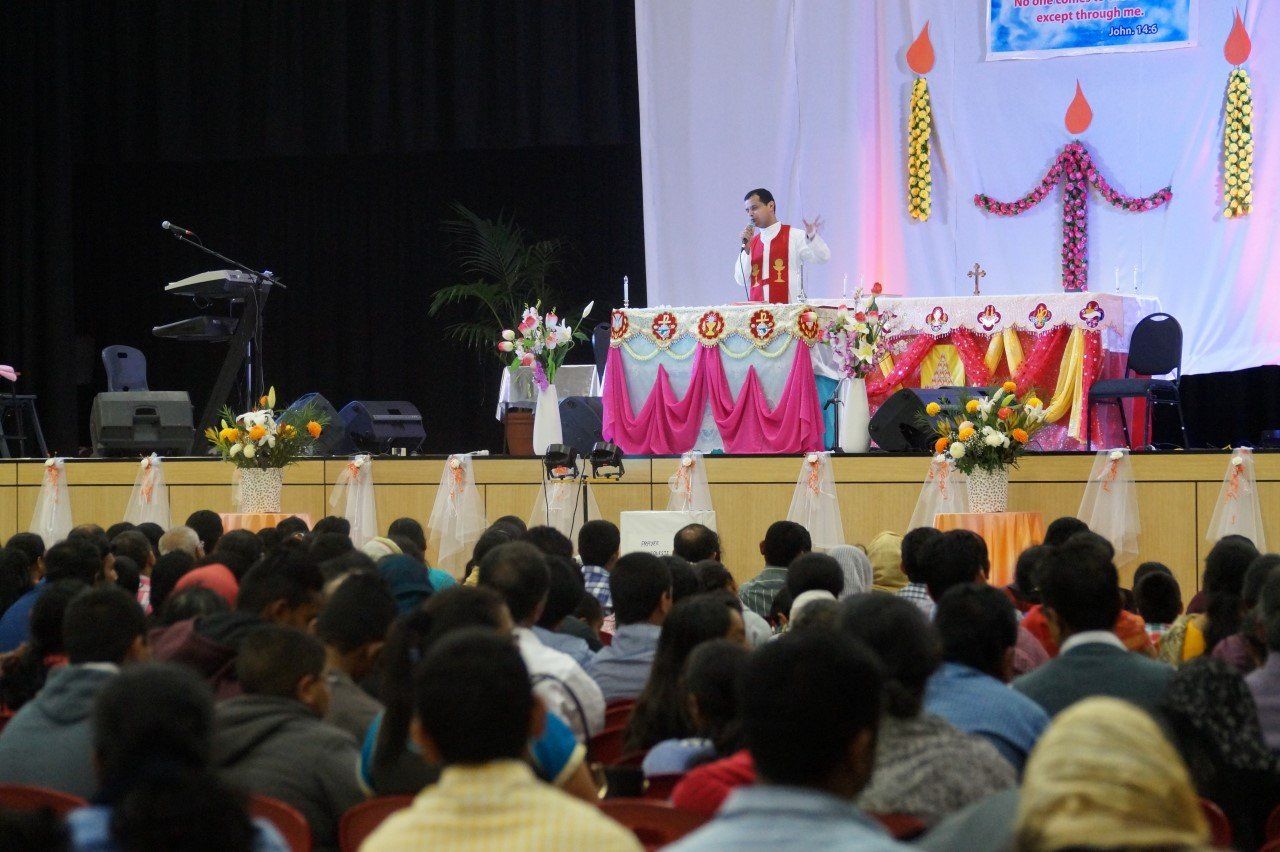
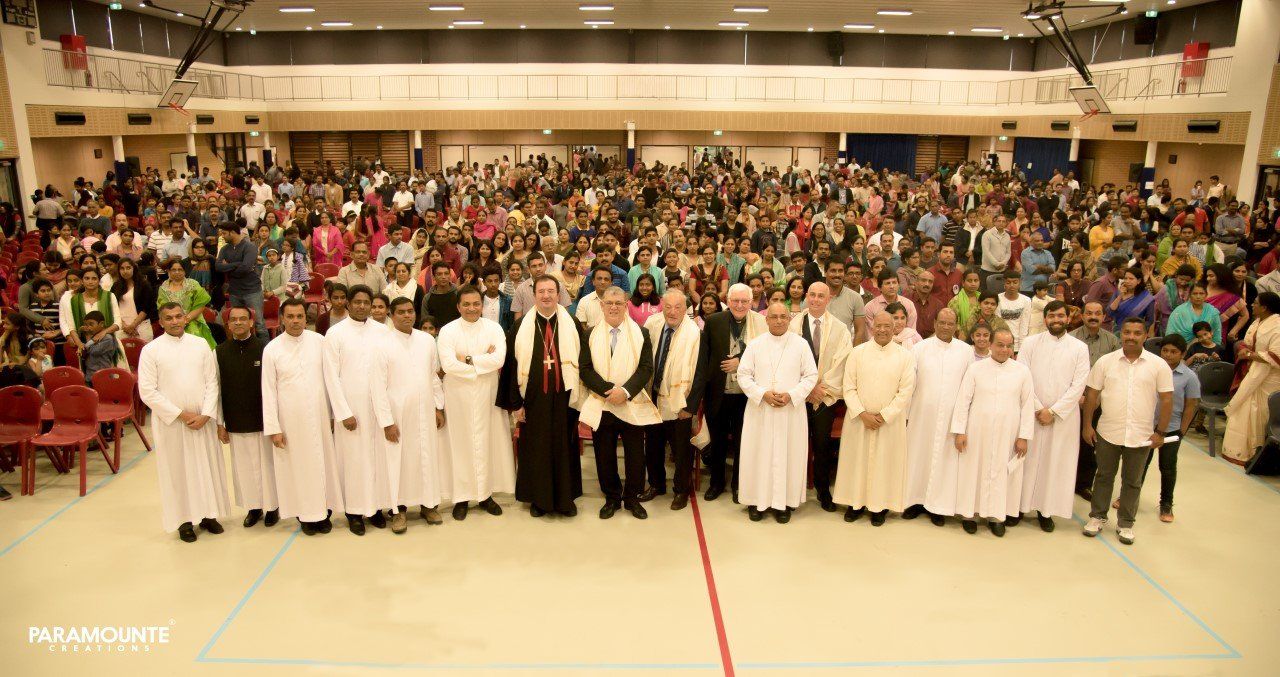
The community was inspired in India through the missionary efforts of St. Thomas the Apostle. On the 23 December 2013 Pope Francis established the Syro Malabar Eparchy of St Thomas the Apostle in Melbourne.
Their Eparchy within Australia comprises of 50 communities, 29 priests and over 65,000 parishioners across Australia. With Melbourne as the headquarters of the Syro Malabar Eparchy, there are four parishes, a chancery office and 12,000 active parishioners in Melbourne alone.
All parishes within the Syro Malabar Eparchy in Melbourne have chosen to place their surplus funds with CDF. Fr. Francis Kolencherry the Vicar General of the Eparchy says, “the CDF service is excellent, and we are happy to be able to speak with someone we know, anytime we may have a question.”
The Syro Malabar communities, through the support of CDF are building a Cathedral, two parish churches and have also purchased a chancery office. This trusted partnership with CDF, allows the community’s vision to expand and meet the demands of an ever growing and thriving church community.
Share this article:
Related articles



CDPF Limited, a company established by the Australian Catholic Bishops Conference, has indemnified the Catholic Development Fund ABN 15 274 943 760 (the Fund) against any liability arising out of a claim by investors in the Fund. In practice, this means your investment is backed by the assets of the Catholic Archdiocese of Melbourne. The Fund is required by law to make the following disclosure. Investment in the Fund is only intended to attract investors whose primary purpose for making their investment is to support the charitable purposes of the Fund. Investors’ funds will be used to generate a return to the Fund that will be applied to further the charitable works of the Archdiocese of Melbourne and the Dioceses of Sale and Bunbury. The Fund is not prudentially supervised by the Australian Prudential Regulation Authority nor has it been examined or approved by the Australian Securities and Investments Commission (ASIC). An investor in the Fund will not receive the benefit of the financial claims scheme or the depositor protection provisions in the Banking Act 1959 (Cth). The investments that the Fund offers are not subject to the usual protections for investors under the Corporations Act (Cth) or regulation by ASIC. Investors may be unable to get some or all of their money back when the investor expects or at all and investments in the Fund are not comparable to investments with banks, finance companies or fund managers. The Fund’s identification statement may be viewed here or by contacting the Fund. The Fund does not hold an Australian Financial Services Licence.