

CDF was proud to support Bunbury Catholic College and local Catholic primary schools across the Diocese of Bunbury through sponsorship of the Wardandi Gift - an annual celebration of Aboriginal culture, language, and learning on Noongar Country.
Held at
Bunbury Catholic College, the event brought together over 200 students from five Catholic primary schools across the region. Now in its third year, the Wardandi Gift is becoming a recognised fixture in the Bunbury Diocese—an opportunity for young people to engage deeply with the stories, languages, and traditions of the First Peoples of the Southwest of Australia.
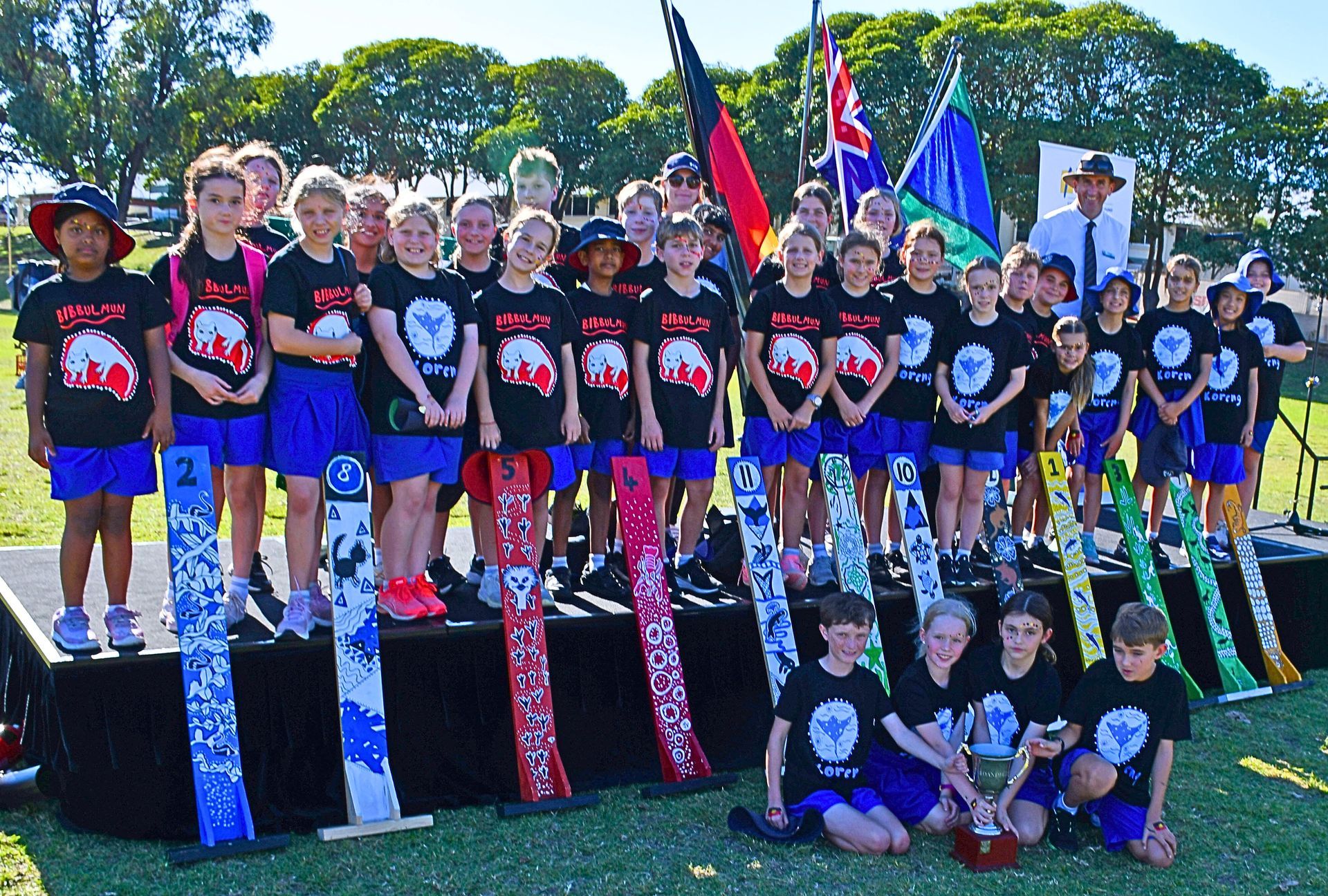
The day offered a living example of how faith and culture can meet through shared experience and learning. Students were assigned to a Noongar language group; such as Koreng, Minang or Wagyl Kaip, which they studied throughout Term 1. They arrived at the event ready to present their learnings, wearing group-designed shirts that reflected the strength of cultural identity and connection to Country.

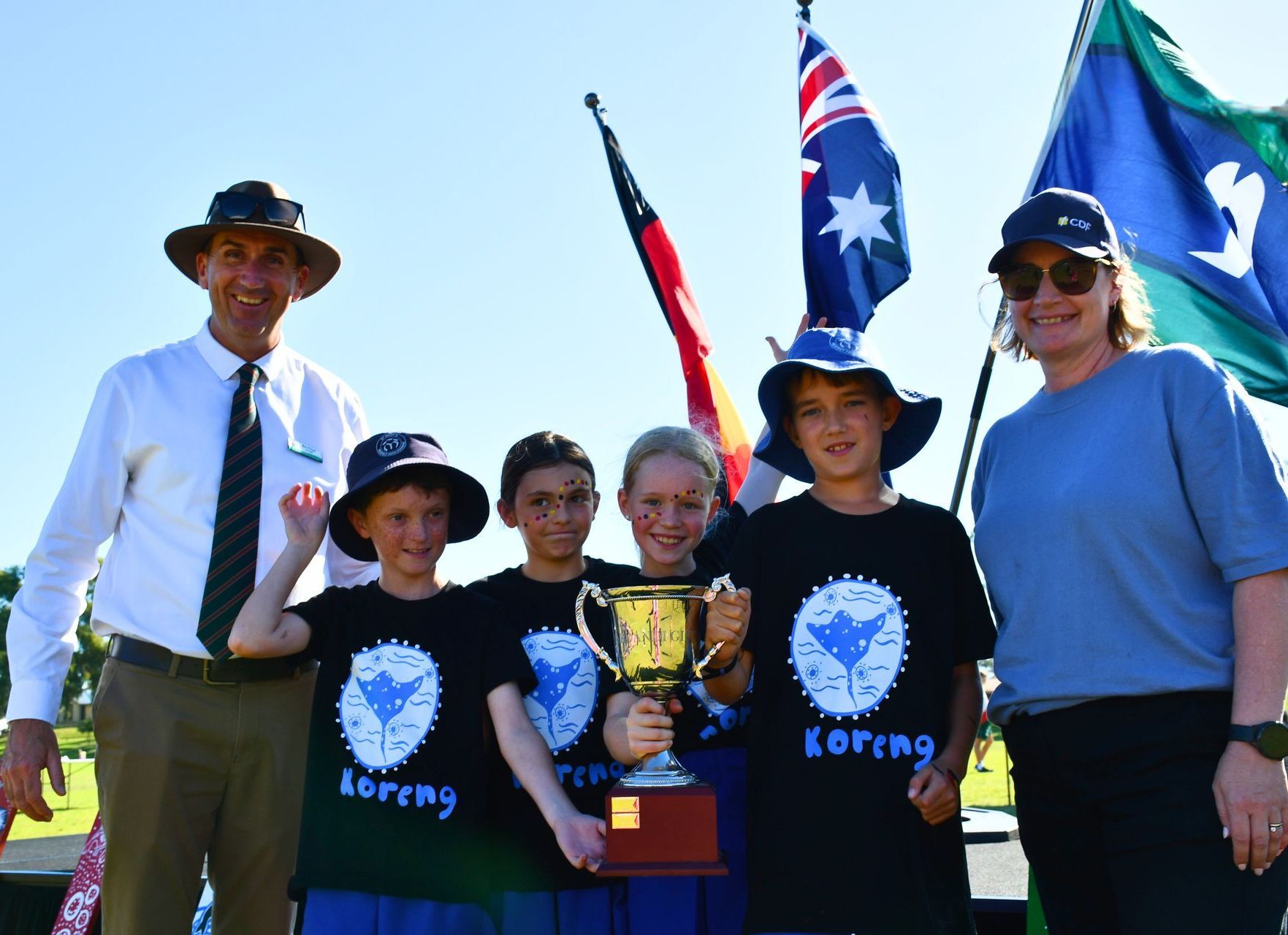
Highlights included traditional Noongar sports led by the Stephen Michael Foundation, a yarning circle exploring care for Country, and art and storytelling activities grounded in local Aboriginal knowledge. The event concluded with the spirited 4x4 relay race—where St Mary’s Catholic Primary School once again claimed the trophy, representing the Koreng group.
CDF’s Relationship Manager, Sally Brand, presented St Mary’s with the winners trophy on the day.
“It was wonderful to witness such a vibrant celebration of education, culture and faith across the Bunbury school. The level of participation was amazing – I'm in awe of the children from all the various Catholic schools and so proud to be part of this community,"
Sally Brand, CDF Relationship Manager

If you’d like to help CDF continue supporting the growth of Catholic communities, you can put your faith into action by investing in the CDF Community Fund. Not only will you earn a competitive rate of interest, but your savings will help finance schools across the Diocese of Bunbury, and beyond, to continue the work the Gospel calls us all to do.
Share this article:
Related articles



CDPF Limited, a company established by the Australian Catholic Bishops Conference, has indemnified the Catholic Development Fund ABN 15 274 943 760 (the Fund) against any liability arising out of a claim by investors in the Fund. In practice, this means your investment is backed by the assets of the Catholic Archdiocese of Melbourne. The Fund is required by law to make the following disclosure. Investment in the Fund is only intended to attract investors whose primary purpose for making their investment is to support the charitable purposes of the Fund. Investors’ funds will be used to generate a return to the Fund that will be applied to further the charitable works of the Archdiocese of Melbourne and the Dioceses of Sale and Bunbury. The Fund is not prudentially supervised by the Australian Prudential Regulation Authority nor has it been examined or approved by the Australian Securities and Investments Commission (ASIC). An investor in the Fund will not receive the benefit of the financial claims scheme or the depositor protection provisions in the Banking Act 1959 (Cth). The investments that the Fund offers are not subject to the usual protections for investors under the Corporations Act (Cth) or regulation by ASIC. Investors may be unable to get some or all of their money back when the investor expects or at all and investments in the Fund are not comparable to investments with banks, finance companies or fund managers. The Fund’s identification statement may be viewed here or by contacting the Fund. The Fund does not hold an Australian Financial Services Licence.