

Media Release
The iconic Our Lady of Sion convent and school campus site in Sale is set to be revitalised after plans were approved for a $40 million investment in one of the largest education projects ever undertaken in the Diocese of Sale.
The announcement follows more than four years of consultation and master planning for the site as the Diocese of Sale and Diocese of Sale Catholic Education Ltd (DOSCEL) worked with the community and heritage experts on plans to restore the heritage listed buildings and rejuvenate the entire site for 21st century education use.
The $40 million redevelopment, supported by CDF, will deliver three distinct projects and create a state-of-the-art education precinct. The projects include:
- A complex restoration and preservation of the heritage listed convent building
- Construction of a purpose-built primary school facility
- Incorporation of a separate education professional learning and leadership development centre to be known as the Ratisbonne Leadership Centre
The preservation and revitalisation of this much-loved Sale landmark has been recognised as a good heritage outcome that acknowledges the history and enhances the significance of the place. The Heritage Impact Statement makes note of this positive impact through 'the removal of unsympathetic elements, the reactivation of the heritage site through adaptive re-use and the forthcoming conservation works.'
St Thomas' Primary School, Sale will move into a state-of-the art primary school facility on the site and will be re-named Our Lady of Sion Catholic Primary School to honour the rich history of the Sisters of Sion. A strong link to St Thomas' will be maintained with a $12.5 million purpose-built. Learning Neighbourhood to be known as the St Thomas' Centre. The new building has been made possible with the support of a $3.6 million Capital Grant from the Australian Government.
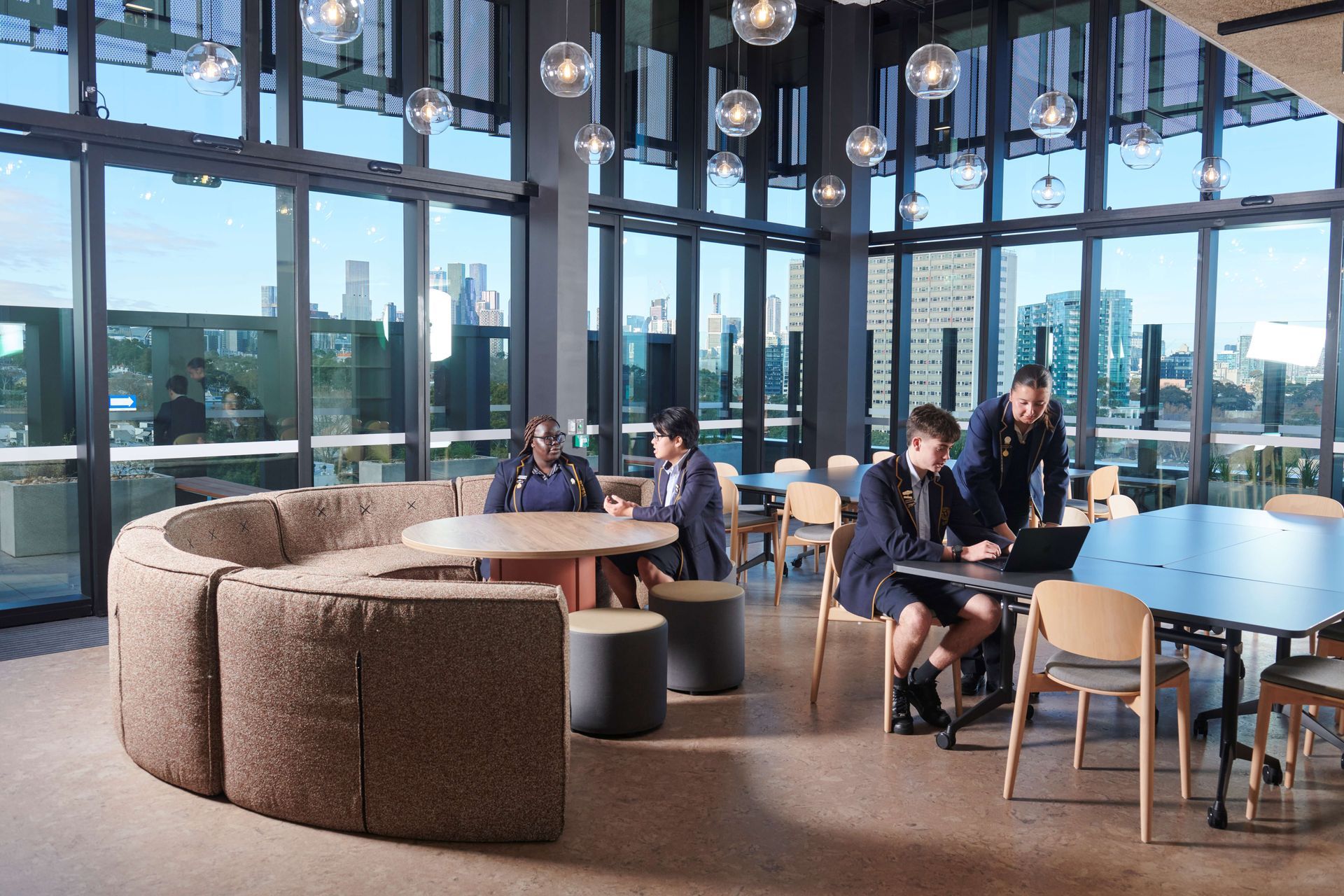
The first two floors of the Sion convent building will be repurposed for contemporary primary education use for Years 4 to 6 and will include connected classrooms, along with STEM, Library, Art, multimedia, administration, and office spaces. The beautiful convent chapel will be an inspirational and prayerful space for students.
The Ratisbonne Leadership Centre will occupy the top floor of the convent building which will be refurbished and re-purposed as a specialised facility to deliver teacher and school leader professional learning programs to support Catholic schools across the Diocese of Sale. With independent access and carparking, it will support DOSCEL’s efforts to promote expert teacher practice and deliver teaching and learning excellence.
This exciting project is being led by Monto Project Managers, with Y2 Architecture as the lead Architects. Melbcon Builders are on-site, laying the groundwork for construction to begin, with a planned completion in early 2027.
St Thomas' Catholic Primary School Principal, Ms Jodie Ware:
“This new building is more than just bricks and mortar; it is a commitment to nurturing minds and shaping futures. This state-of-the-art building project represents a vision for the future. It will provide modern, safe, and inspiring spaces for staff and students to grow and thrive.”
Catholic Bishop of Sale, Most Reverend Greg Bennet:
“The preservation and revitalisation of this much-loved Sale landmark not only protects our heritage, but as custodians of the site we have been given the opportunity to create a beautiful new place of learning for our young people that will enable them to grow in their love of Jesus in an enriching environment. This learning environment is deeply connected to our mission to proclaim the good news
of Jesus Christ.”
Director of Catholic Education for the Diocese of Sale, Mr Paul Velton:
“St Thomas' Primary School was established by the Sisters of Our Lady of Sion more than 50 years ago so this in many ways is a return to its spiritual roots. It is also a wonderful opportunity to honour the past and invest in this new state-of-the-art school building for our students and ensure Catholic education continues to thrive on this site for another 125 years.”
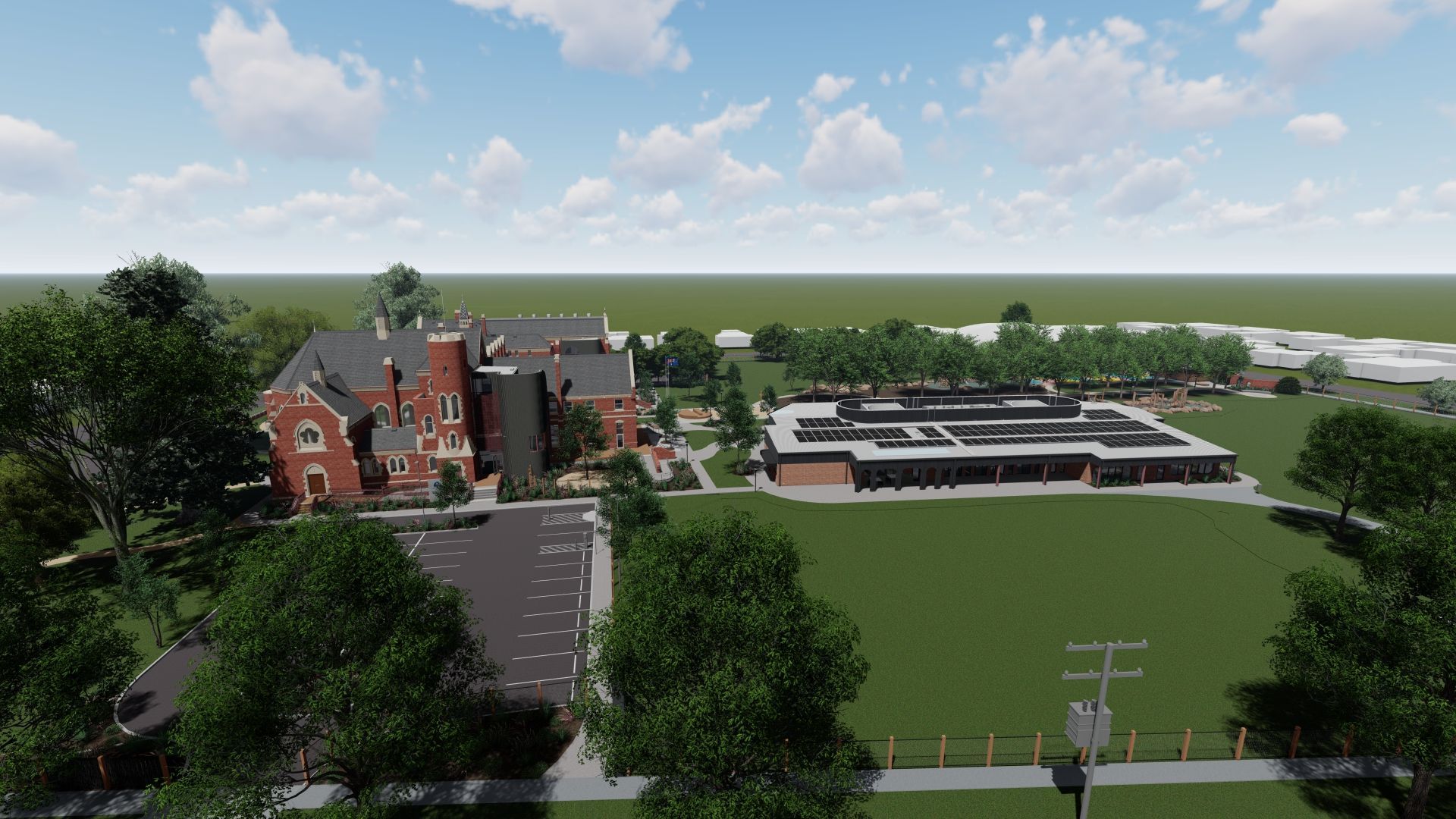
Architect concept images and video fly through below:
Media Inquiries: DOSCEL Media and Communications team: 0417534232
Share this article:
Related articles


CDPF Limited, a company established by the Australian Catholic Bishops Conference, has indemnified the Catholic Development Fund ABN 15 274 943 760 (the Fund) against any liability arising out of a claim by investors in the Fund. In practice, this means your investment is backed by the assets of the Catholic Archdiocese of Melbourne. The Fund is required by law to make the following disclosure. Investment in the Fund is only intended to attract investors whose primary purpose for making their investment is to support the charitable purposes of the Fund. Investors’ funds will be used to generate a return to the Fund that will be applied to further the charitable works of the Archdiocese of Melbourne and the Dioceses of Sale and Bunbury. The Fund is not prudentially supervised by the Australian Prudential Regulation Authority nor has it been examined or approved by the Australian Securities and Investments Commission (ASIC). An investor in the Fund will not receive the benefit of the financial claims scheme or the depositor protection provisions in the Banking Act 1959 (Cth). The investments that the Fund offers are not subject to the usual protections for investors under the Corporations Act (Cth) or regulation by ASIC. Investors may be unable to get some or all of their money back when the investor expects or at all and investments in the Fund are not comparable to investments with banks, finance companies or fund managers. The Fund’s identification statement may be viewed here or by contacting the Fund. The Fund does not hold an Australian Financial Services Licence.