

In education, investment in infrastructure and facilities can profoundly shape the learning experience for students and educators. Padua College, nestled in the beautiful Mornington Peninsula, has been on a journey to offer the community not only state-of-the-art facilities but also a place for community and spiritual growth.
The College's journey of transformation owes much to funding provided by Catholic Development Fund (CDF), allowing the College to continue to modernise and grow.
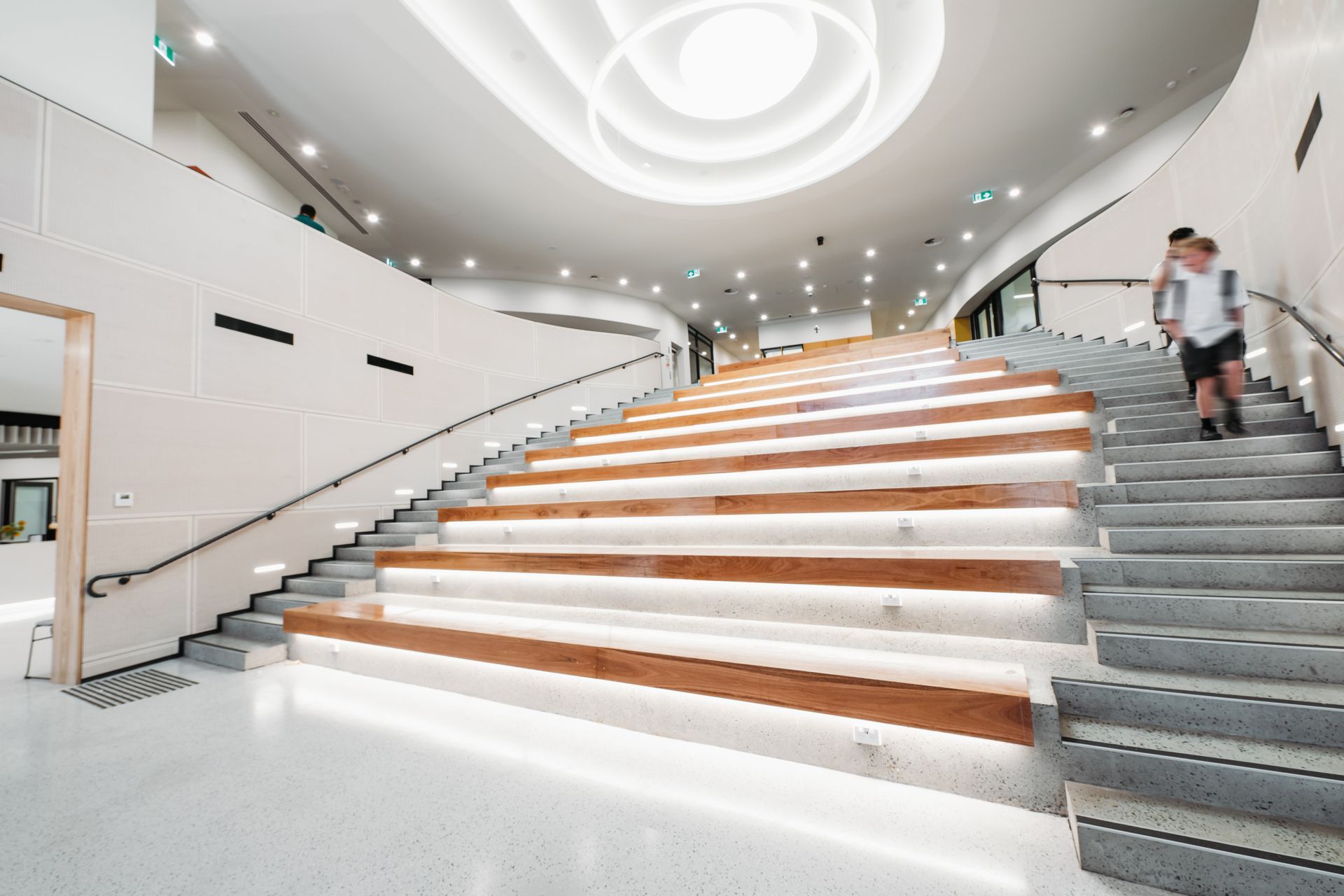
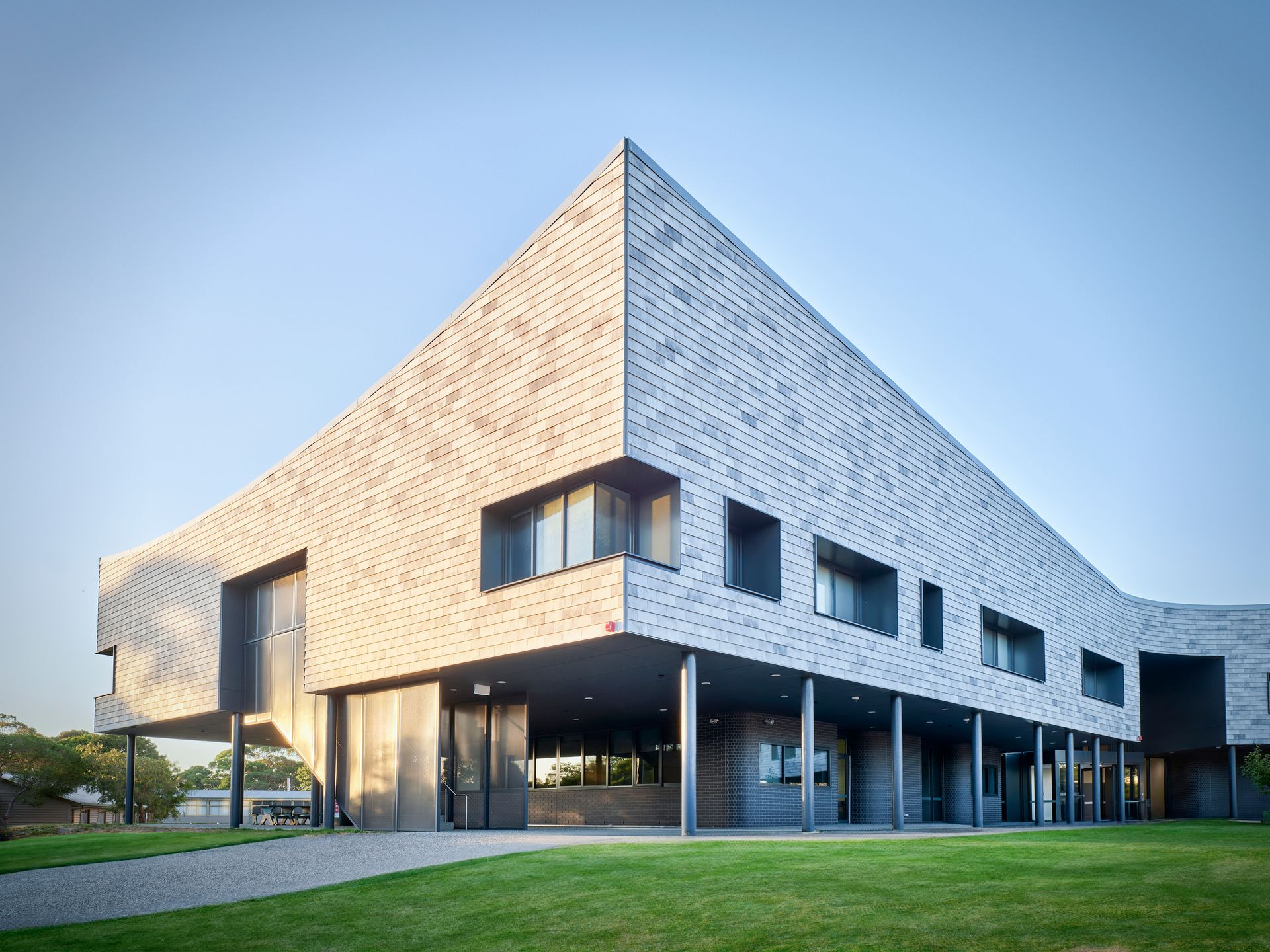
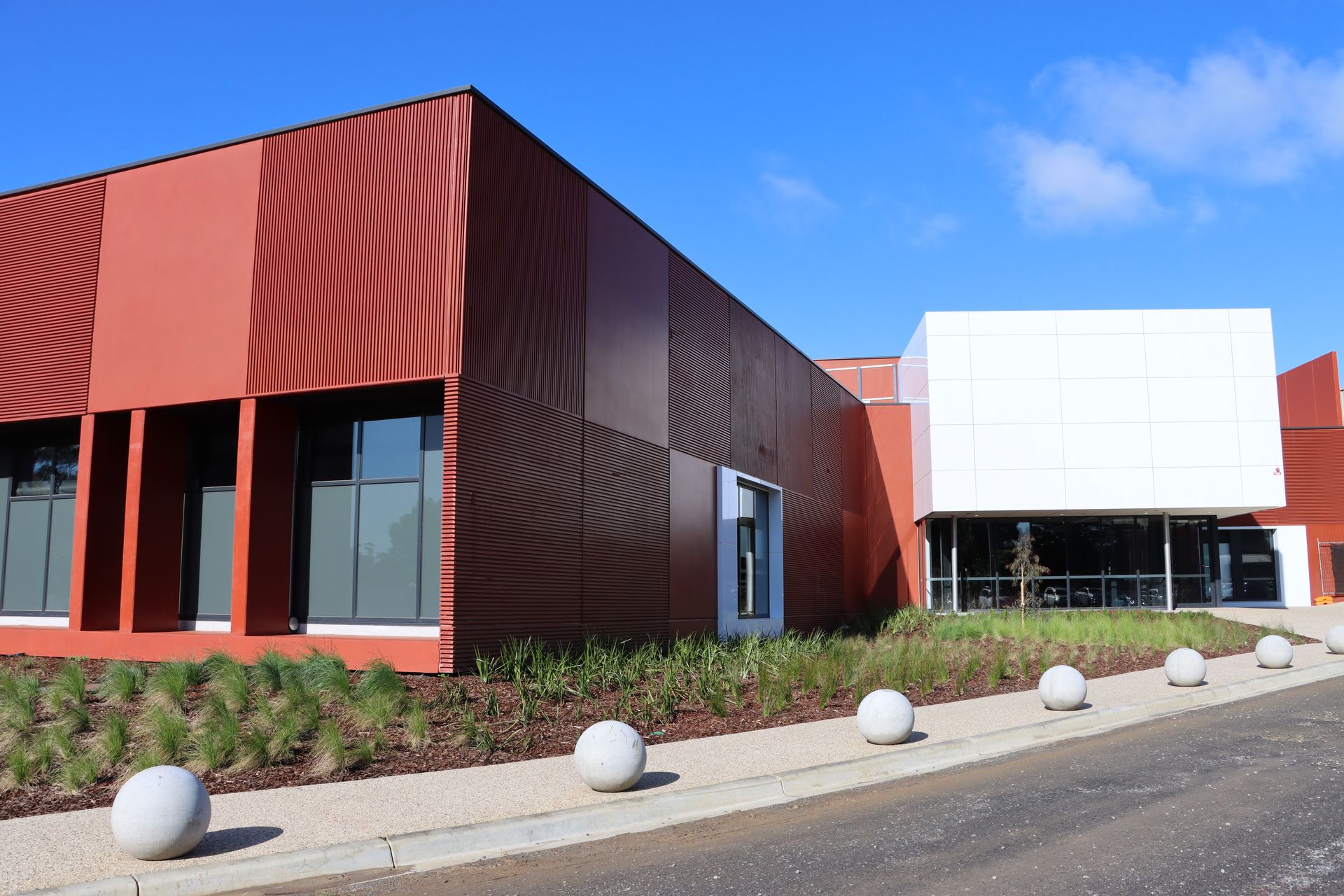
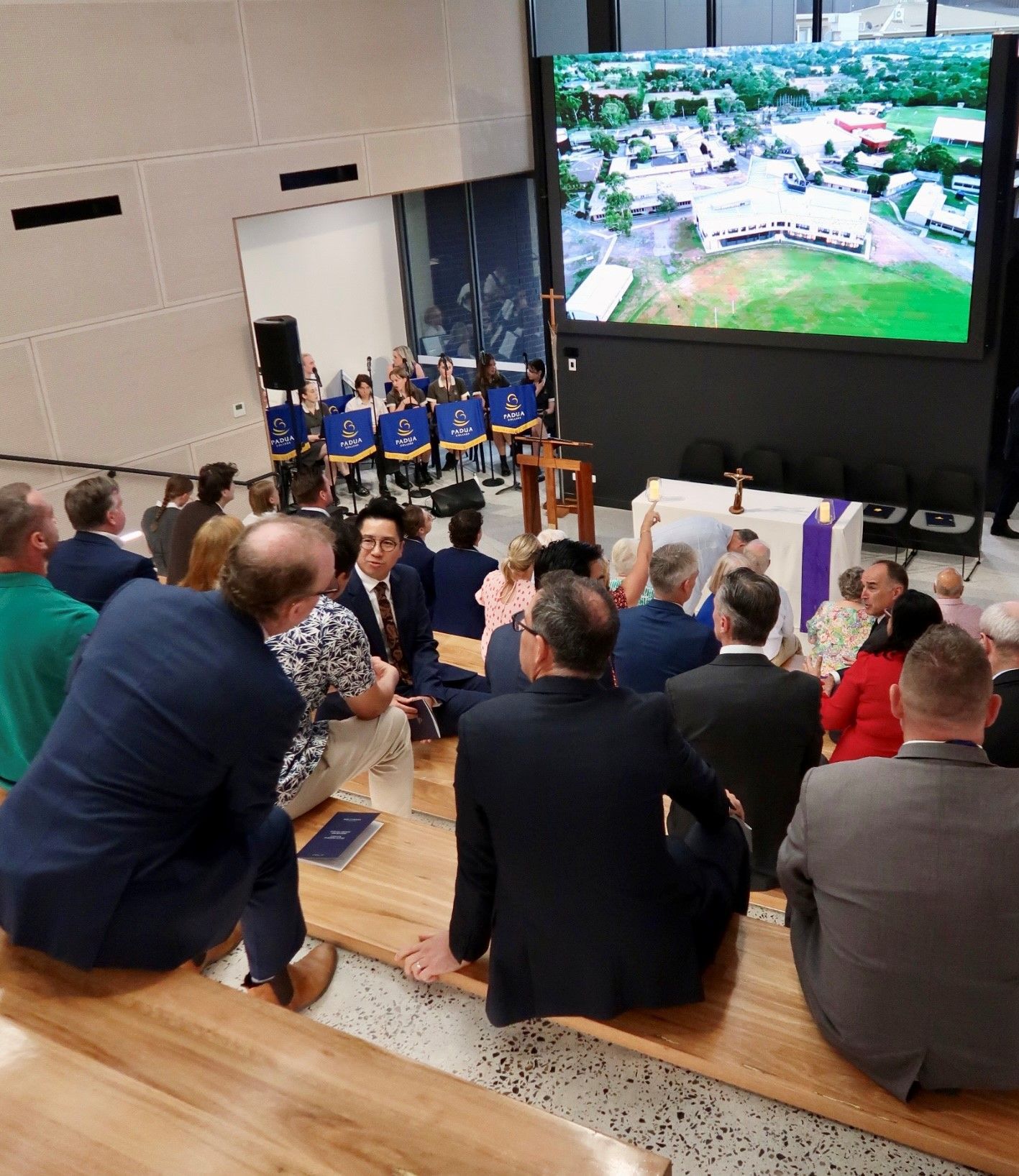
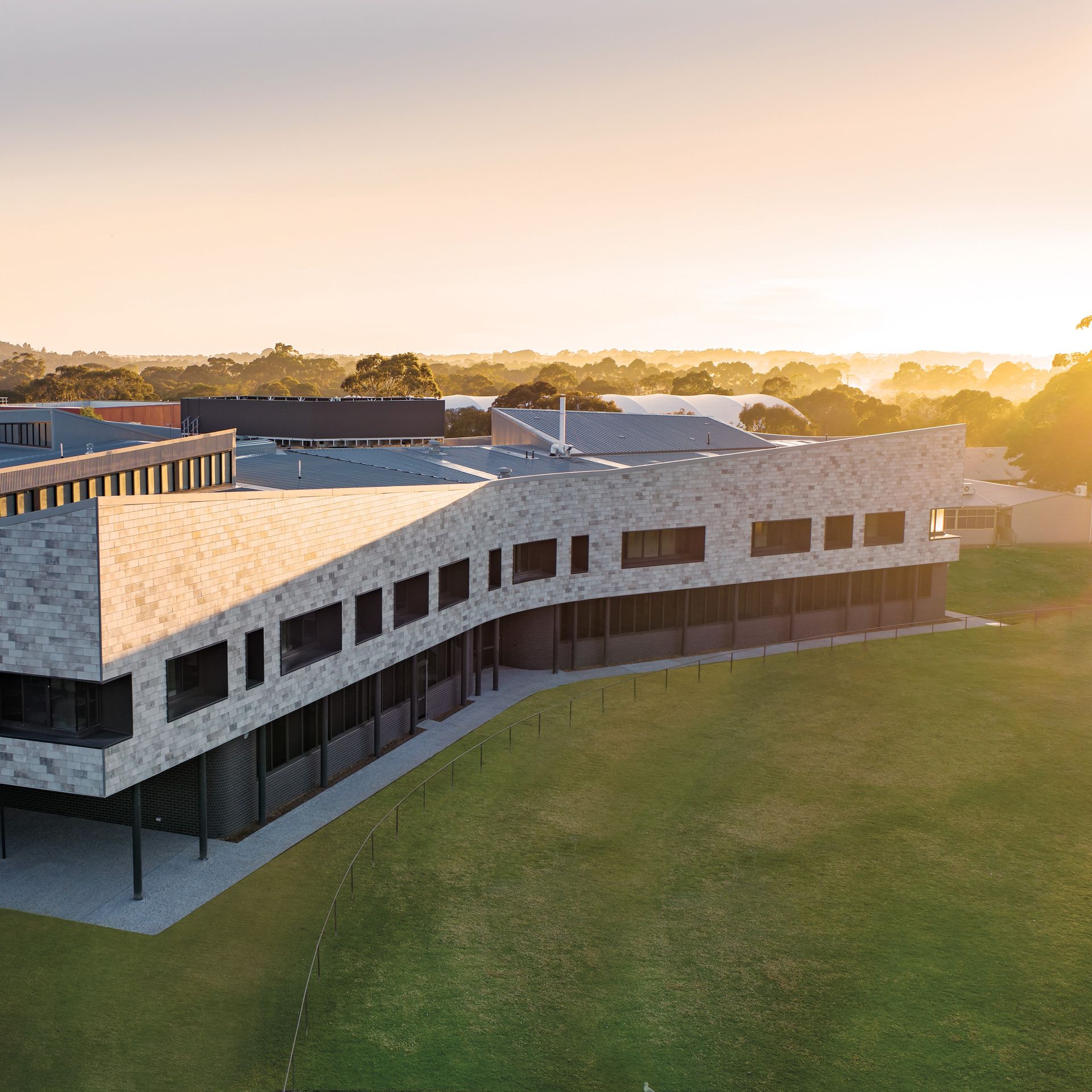
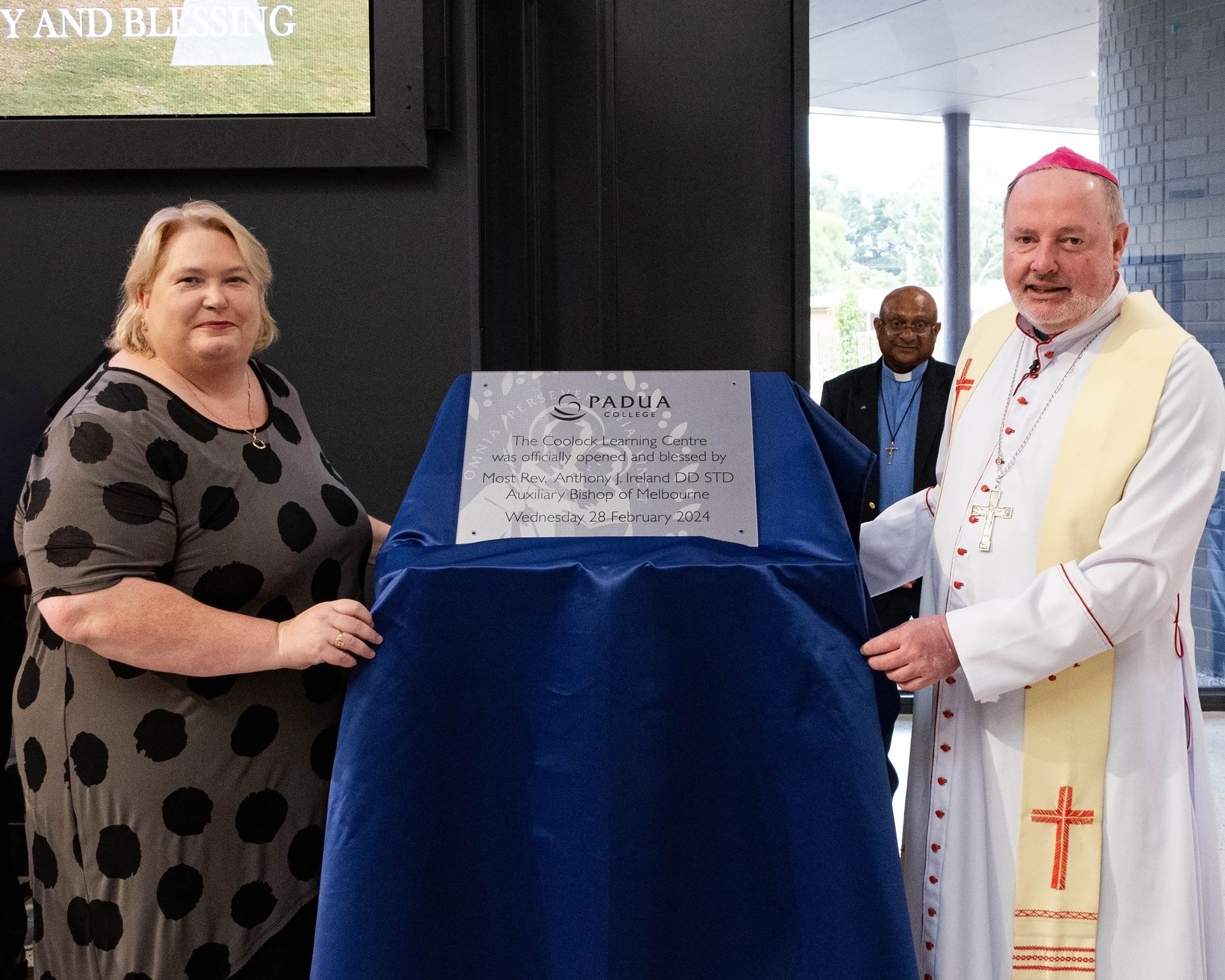
Recently, Padua College marked a significant milestone with the official opening and blessing of its Coolock Learning Centre for students in years 7 and 8. The $17 million project, realised with the support of CDF, underscores the College's dedication to nurturing young minds. Inspired by the principles of Catherine McAuley,
founder of the Sisters of Mercy, the Coolock Learning Centre is more than just a building; it's a testament to collaborative learning, innovation, and digital literacy, preparing students for the challenges ahead.

At the heart of Padua College's ethos is the belief that education transcends mere academics. Principal Kelly McGurn, speaking at the blessing ceremony, echoed this sentiment, emphasising the importance of empowering students to engage with the realities of their lives. She highlighted how the vision of Catherine McAuley has been woven into the very fabric of the Coolock Learning Centre, ensuring that education is a holistic experience that fosters growth and character formation.
Integral to this holistic approach is the College's commitment to spiritual development. Padua College strives to instill in its students a deep sense of social responsibility and a living faith. Guided by the 2024 College theme, inspired by the words of St. Clare of Assisi, students are encouraged to embody values of love, mercy, and justice, becoming compassionate leaders and agents of positive change.


"Padua College has enjoyed a long relationship with CDF and is grateful for the support at each step of the building and construction expansion, from the Tyabb Campus in 2014 through to the recently completed Coolock Learning Centre at Mornington in 2023.”
Kelly McGurn, Padua College Principal
Looking ahead, Padua College is poised for further expansion, with plans for a dedicated Science and Technology precinct, senior campus expansion, and a sporting precinct. The College will continue to focus on community partnerships, embracing opportunities for collaboration, innovation, and social impact, nurturing the hearts and minds of students, and shaping the future of education on the Mornington Peninsula.
To help CDF continue to meet strong loan demand from the Catholic community, you too can put your faith in action and save for a greater reward than money alone. Not only will you earn a competitive rate of interest, but your savings will assist school’s like Padua College and other Catholic organisations to continue the work the Gospel calls on them to do.
Learn more and apply today.
Share this article:
Related articles


CDPF Limited, a company established by the Australian Catholic Bishops Conference, has indemnified the Catholic Development Fund ABN 15 274 943 760 (the Fund) against any liability arising out of a claim by investors in the Fund. In practice, this means your investment is backed by the assets of the Catholic Archdiocese of Melbourne. The Fund is required by law to make the following disclosure. Investment in the Fund is only intended to attract investors whose primary purpose for making their investment is to support the charitable purposes of the Fund. Investors’ funds will be used to generate a return to the Fund that will be applied to further the charitable works of the Archdiocese of Melbourne and the Dioceses of Sale and Bunbury. The Fund is not prudentially supervised by the Australian Prudential Regulation Authority nor has it been examined or approved by the Australian Securities and Investments Commission (ASIC). An investor in the Fund will not receive the benefit of the financial claims scheme or the depositor protection provisions in the Banking Act 1959 (Cth). The investments that the Fund offers are not subject to the usual protections for investors under the Corporations Act (Cth) or regulation by ASIC. Investors may be unable to get some or all of their money back when the investor expects or at all and investments in the Fund are not comparable to investments with banks, finance companies or fund managers. The Fund’s identification statement may be viewed here or by contacting the Fund. The Fund does not hold an Australian Financial Services Licence.