


I've been scammed
How to report a scam?
If you’re concerned you may have fallen victim to a scam, here’s what we recommend:
Reporting scams can help others. Visit
Scamwatch and
Australian Cyber Security Centre who fight cybercrime.
Stop all communications with the suspected scammer
Email us or call 1800 134 135 as soon as possible
Change your CDF Online password
OCTOBER 2026 - CYBER SECURITY AWARENESS MONTH
Take a Second. Stay Secure.
Practical advice to protect you, your information and organisation, built around CDF's own framework: Pause. Check. Protect.
How we're keeping you safe
Protecting your funds is a shared responsibility. We encourage all clients to maintain strong internal processes for verifying payments and confirming account details before transferring funds, particularly when receiving a request to update or change payment information.
We understand that even well-managed processes can be vulnerable to sophisticated scammers. That's why CDF provides the following additional security features to help keep you protected.
Suspicious Transactions
As soon as a suspect transaction is detected by CDF, we will try to contact you to verify the transaction before it is processed.
Payee Check
A security feature that provides an additional check of payee account details for eligible payments, helping reduce the risk of payments being sent to the wrong account.
Multi-factor authentication
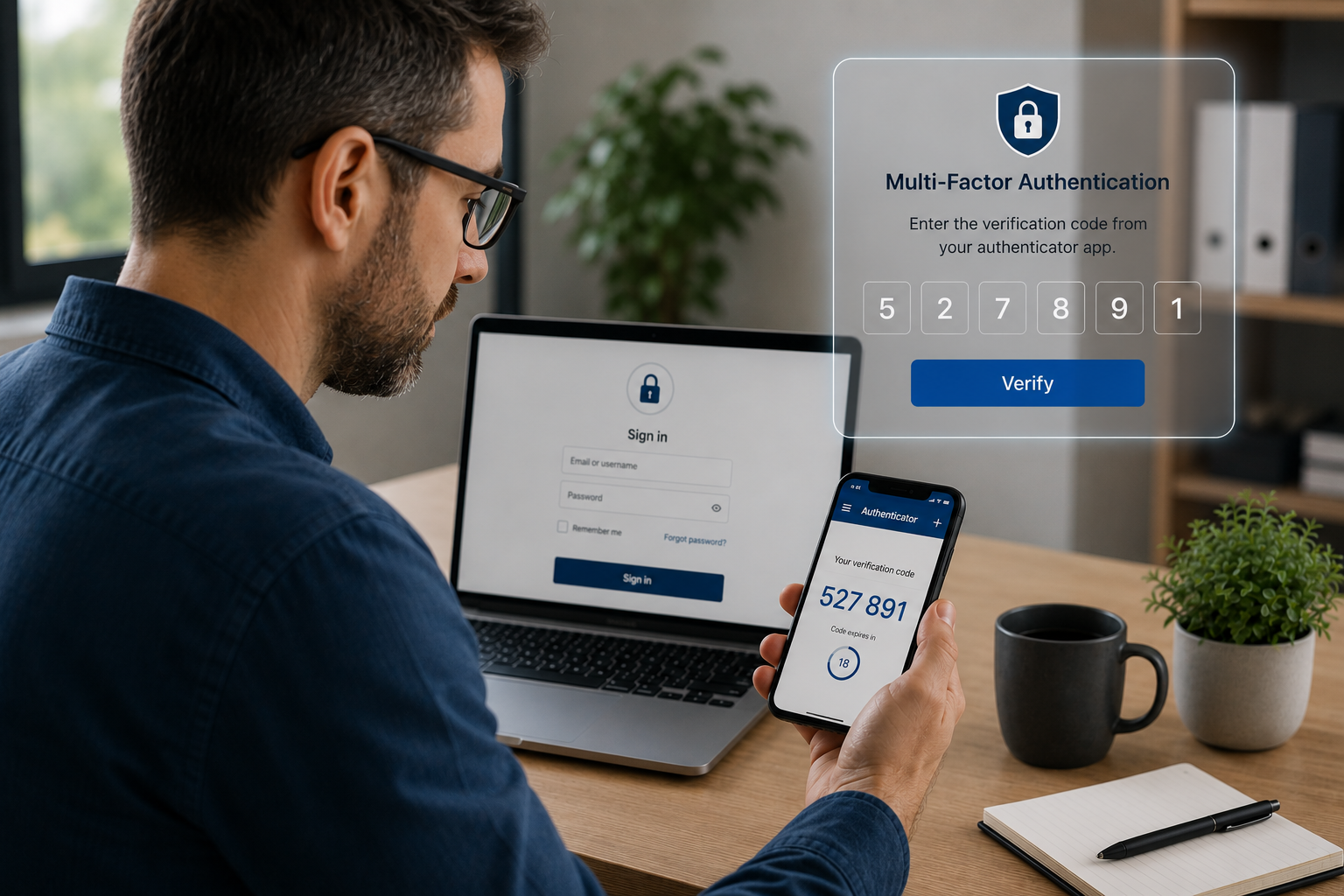
Multi-factor authentication (MFA) is a security measure that requires two or more proofs of identity to verify a user, providing an additional layer of security. Boost your account safety and register for SMS Multi-Factor Authentication (MFA) today.
Protecting Yourself Online
List of Services
-
Preventing Invoice FraudList Item 1
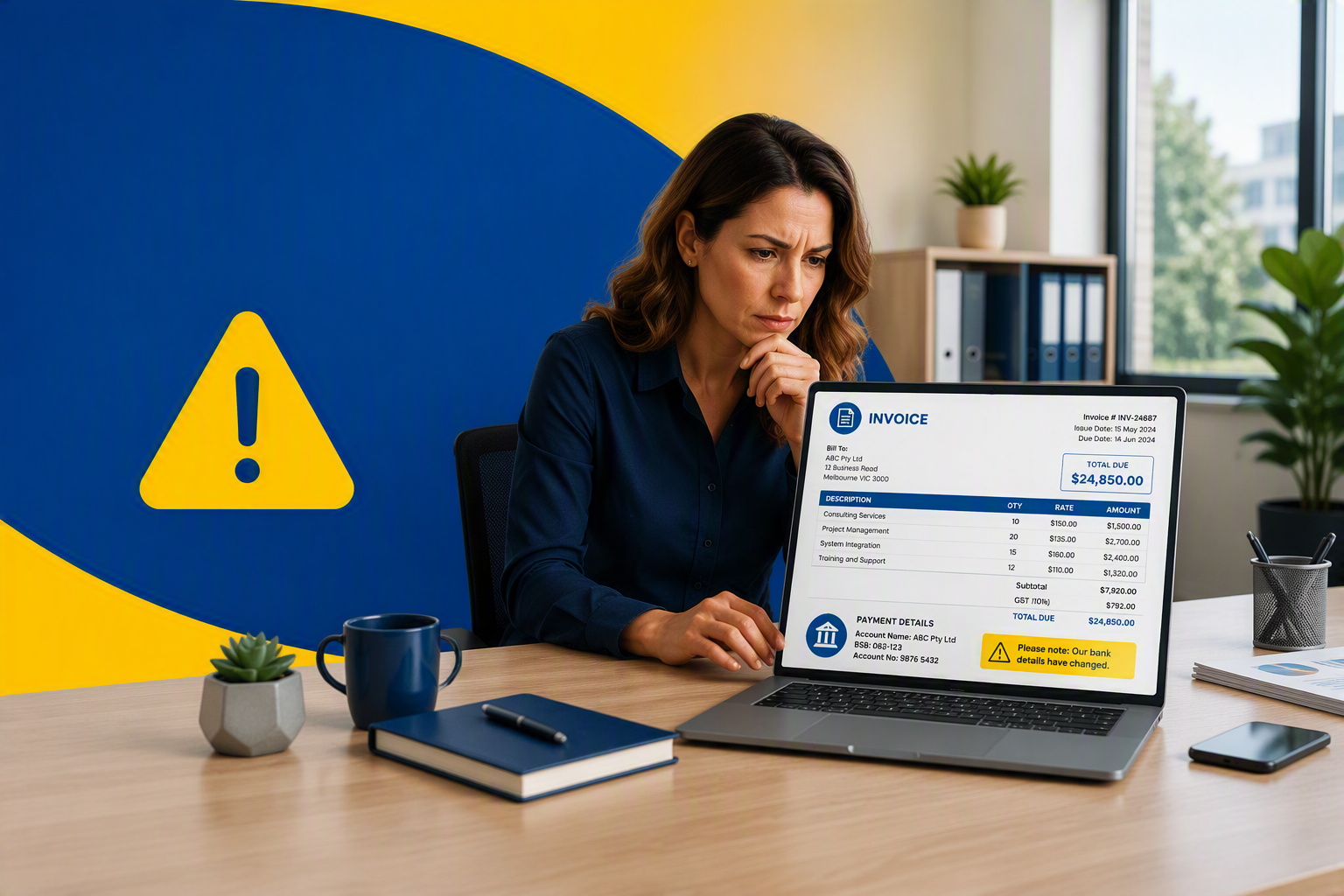
Invoice fraud is on the rise, and it can be difficult to detect. Learn how cybercriminals intercept and alter invoices, and the simple steps you can take to protect your organisation.
-
Setting stronger passwordsList Item 2
Strong passwords are one of your best defences against cybercrime — learn how passphrases, multi-factor authentication, and password managers can help keep your accounts safe.
-
The latest scams and fraudList Item 3
The best way to protect yourself against scams is through awareness and education. The Little Book of Scams is recognised internationally as an important tool for consumers and small businesses to learn about scams including:
- the most common scams to watch out for
- the different ways scammers can contact you
- the tools scammers use to deceive you
- the warning signs
- how to protect yourself against scams
- where you can find help.
FAQs
I think my CDF account/s has been hacked or compromised, what should I do?
If you think you’ve been a victim of a scam or are worried about the security of your accounts with CDF, please contact our team as soon as possible.
What are the best practices for creating and managing strong passwords?
There are multiple ways to you can create and manage strong passwords such an enabling a One Time Password (OTP) or utilising Password Managers. Learn more: Fortify Your Digital Fortress: The Power of Strong Passwords
What does CDF never ask for?
Our team will never ask you for any of the following: your password, PIN or SMS verification passcodes, remote access to your device, sensitive information, test transactions or to transfer funds to another account.
What happens after I report a scam?
When you report a scam, our operations, risk and cyber experts act fast to shut it down and prevent any potential loss or damage. We will always advise the outcome of your report and remain in contact throughout the process.
3 Simple Tips for Greater Security
1. Pause: Does something feel off? Never share money or personal information if you're unsure.
2. Check: Ask yourself, could this call, email, or text be a scam? Contact the organisation directly using a number or address you know to be genuine.
3. Protect: Trust your instincts and act quickly. Hang up, delete the email, or block the number. Report the issue and if you've shared any passwords, change them immediately.
Tips, Stories & Latest News
Help & Support
If you need to get in contact with us, there are a number of ways we can help. Our team are available to assist from Monday to Friday 9am - 5pm (AEST).
1800 134 135
PO Box 174 East Melbourne VIC 8002
How can we help?
Fill out the form below and our team will get back to you shortly.